
Missouri River Misery
The Missouri River Ecosystem may be playing a role in the 'Sixth Mass Extinction."
Crofton, NE, May 19, 2026 --(PR.com)-- River Ecosystems, Inc. Releases a Synopsis of the Ecosystem Catastrophe, that is the Missouri River, in the 21st Century. May 2026.
Human demands, on the natural resources of the planet, are increasing while a changing climate, is adding to the misery wild species face, in historic ecosystems, e.g. prairies, forests, and rivers.
Over the last 540 million years, Earth has experienced five major mass extinction events that decimated global biodiversity. The fossil record shows these events were triggered by cataclysmic shifts in climate, volcanic activity, or asteroid impacts. (Wikipedia).
Ordovician-Silurian (445–444 million years ago): One of the largest extinctions, wiping out roughly 85% of all marine species. It was primarily driven by rapid global cooling, glaciation, and falling sea levels.
Late Devonian (372 million years ago): A prolonged crisis eliminating 70–80% of all animal species, severely affecting tropical marine life like corals and early fish. It was likely caused by massive algal blooms that severely depleted oxygen in the oceans.
Permian-Triassic (252 million years ago): Often called "The Great Dying," this is the most severe extinction in Earth's history, destroying up to 96% of all marine and 70% of terrestrial species. It was triggered by massive volcanic eruptions that released immense amounts of carbon dioxide and caused catastrophic global warming.
Triassic-Jurassic (201 million years ago): This event wiped out roughly 76% of all species, including many large amphibians and reptiles. By clearing out vast ecological niches, it allowed dinosaurs to rise to dominance.
Cretaceous-Paleogene (66 million years ago): The most famous extinction event wiped out 75% of species, including all non-avian dinosaurs. Scientists attribute this to a massive asteroid impact near the Yucatán Peninsula (the Chicxulub crater), combined with intense volcanic activity.
The Sixth Extinction
A growing scientific consensus, indicates we are currently undergoing a modern, human-driven, mass extinction (often called the Holocene or Anthropocene extinction). Today, species are disappearing at rates hundreds of times faster than the natural background rate, due to habitat destruction, climate change, and pollution.
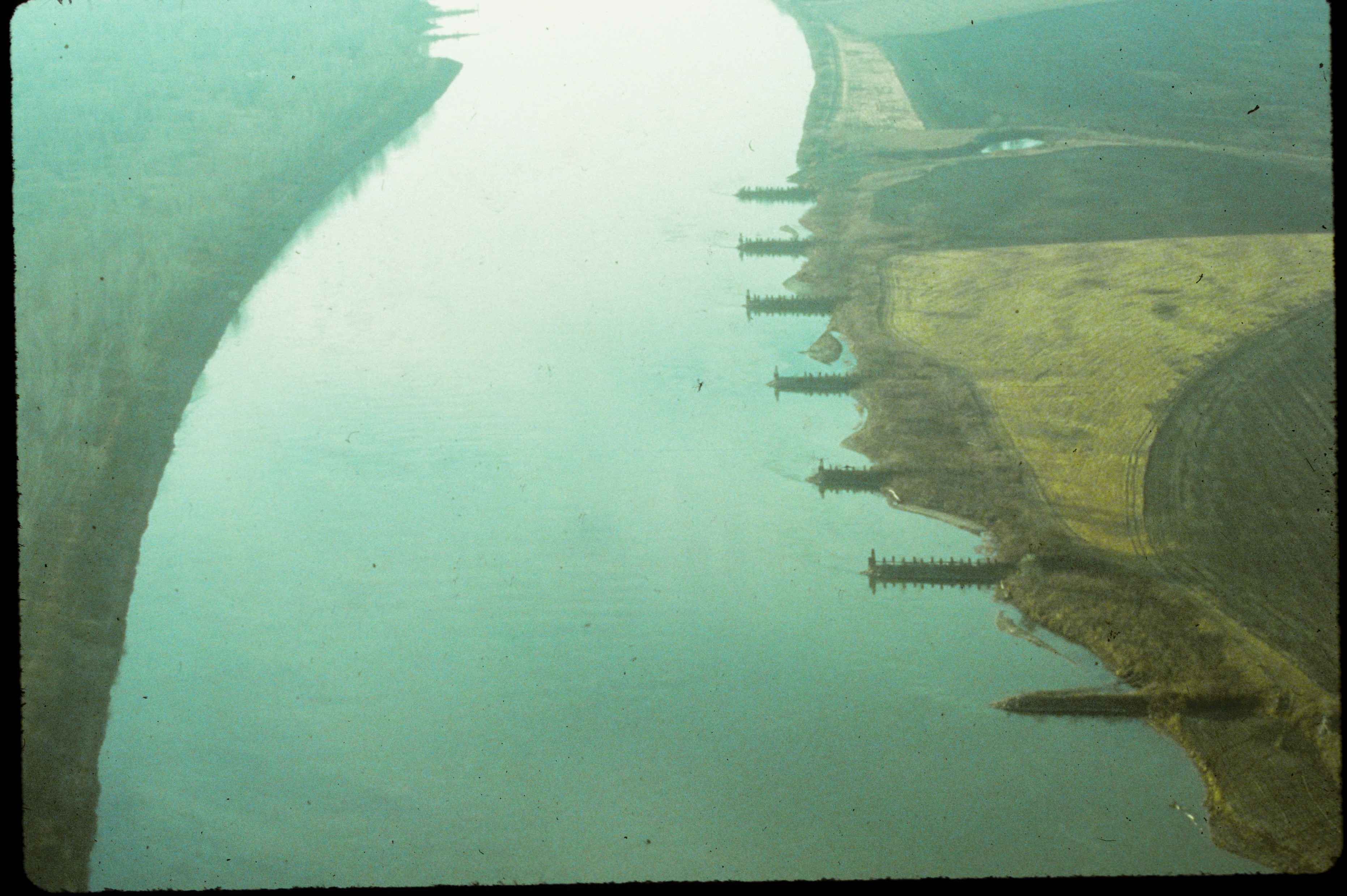
”8emessourit The River of the Big Canoes is a powerful and sobering exploration of the ecological transformation of the Missouri River, and its once-thriving floodplain ecosystem. Drawing on decades of firsthand experience, scientific research, and historical accounts, Lawrence Hesse chronicles, the profound environmental cost of human intervention, i.e. dams, channelization, bank stabilization, levees, and land conversion, that has reshaped one of North America's greatest river systems.
Once home to diverse habitats like cattail marshes, sandbars, and rich floodplain forests, the Missouri River ecosystem, supported an extraordinary range of wildlife, including now-endangered species such as the scaleshell mussel, the interior least tern, and the pallid sturgeon, but these are just the ‘tip of the iceberg’. Through a compelling narrative, the book reveals how natural river processes, i.e. flooding, sediment transport, and meandering cut and fill, were essential to the river ecosystem, and how their disruption, has led to massive losses in biodiversity, and habitat.
Hesse exposes the unintended consequences, of large-scale water development projects, including altered river flows, disconnected and degraded fish spawning grounds, elimination of floodplain erosion, and the near total collapse of vital energy and nutrient cycles. He also highlights the cultural and policy failures, that allowed these outcomes, where conservation promises were made, but rarely kept, and environmental safeguards, were overshadowed, by development priorities.
Despite the gravity of the subject, 8emessourit The River of the Big Canoes offers a call to action. With climate change threatening to further alter the Great Plains, Hesse emphasizes the need for sustainable water management, public engagement, and ecological restoration. Rich with insight, this book is both a tribute to the lost richness of the Missouri River, and a passionate appeal to protect what remains.
For readers interested in conservation, environmental history, or the complex relationship between humanity and nature, this is a vital and moving account of a river, and a legacy, we cannot afford to forget. 8emessourit is available in hardcover, paperback, and Kindle versions, at most booksellers.
Contact: Lawrence W. Hesse, 402-640-7809, reieco3@gmail.com
Human demands, on the natural resources of the planet, are increasing while a changing climate, is adding to the misery wild species face, in historic ecosystems, e.g. prairies, forests, and rivers.
Over the last 540 million years, Earth has experienced five major mass extinction events that decimated global biodiversity. The fossil record shows these events were triggered by cataclysmic shifts in climate, volcanic activity, or asteroid impacts. (Wikipedia).
Ordovician-Silurian (445–444 million years ago): One of the largest extinctions, wiping out roughly 85% of all marine species. It was primarily driven by rapid global cooling, glaciation, and falling sea levels.
Late Devonian (372 million years ago): A prolonged crisis eliminating 70–80% of all animal species, severely affecting tropical marine life like corals and early fish. It was likely caused by massive algal blooms that severely depleted oxygen in the oceans.
Permian-Triassic (252 million years ago): Often called "The Great Dying," this is the most severe extinction in Earth's history, destroying up to 96% of all marine and 70% of terrestrial species. It was triggered by massive volcanic eruptions that released immense amounts of carbon dioxide and caused catastrophic global warming.
Triassic-Jurassic (201 million years ago): This event wiped out roughly 76% of all species, including many large amphibians and reptiles. By clearing out vast ecological niches, it allowed dinosaurs to rise to dominance.
Cretaceous-Paleogene (66 million years ago): The most famous extinction event wiped out 75% of species, including all non-avian dinosaurs. Scientists attribute this to a massive asteroid impact near the Yucatán Peninsula (the Chicxulub crater), combined with intense volcanic activity.
The Sixth Extinction
A growing scientific consensus, indicates we are currently undergoing a modern, human-driven, mass extinction (often called the Holocene or Anthropocene extinction). Today, species are disappearing at rates hundreds of times faster than the natural background rate, due to habitat destruction, climate change, and pollution.
”8emessourit The River of the Big Canoes is a powerful and sobering exploration of the ecological transformation of the Missouri River, and its once-thriving floodplain ecosystem. Drawing on decades of firsthand experience, scientific research, and historical accounts, Lawrence Hesse chronicles, the profound environmental cost of human intervention, i.e. dams, channelization, bank stabilization, levees, and land conversion, that has reshaped one of North America's greatest river systems.
Once home to diverse habitats like cattail marshes, sandbars, and rich floodplain forests, the Missouri River ecosystem, supported an extraordinary range of wildlife, including now-endangered species such as the scaleshell mussel, the interior least tern, and the pallid sturgeon, but these are just the ‘tip of the iceberg’. Through a compelling narrative, the book reveals how natural river processes, i.e. flooding, sediment transport, and meandering cut and fill, were essential to the river ecosystem, and how their disruption, has led to massive losses in biodiversity, and habitat.
Hesse exposes the unintended consequences, of large-scale water development projects, including altered river flows, disconnected and degraded fish spawning grounds, elimination of floodplain erosion, and the near total collapse of vital energy and nutrient cycles. He also highlights the cultural and policy failures, that allowed these outcomes, where conservation promises were made, but rarely kept, and environmental safeguards, were overshadowed, by development priorities.
Despite the gravity of the subject, 8emessourit The River of the Big Canoes offers a call to action. With climate change threatening to further alter the Great Plains, Hesse emphasizes the need for sustainable water management, public engagement, and ecological restoration. Rich with insight, this book is both a tribute to the lost richness of the Missouri River, and a passionate appeal to protect what remains.
For readers interested in conservation, environmental history, or the complex relationship between humanity and nature, this is a vital and moving account of a river, and a legacy, we cannot afford to forget. 8emessourit is available in hardcover, paperback, and Kindle versions, at most booksellers.
Contact: Lawrence W. Hesse, 402-640-7809, reieco3@gmail.com
Contact
River Ecosystems, Inc
Lawrence W. Hesse
402-640-7809
https://www.linkedin.com/in/larry-hesse-522ba1346/
Lawrence W. Hesse
Lawrence W. Hesse
402-640-7809
https://www.linkedin.com/in/larry-hesse-522ba1346/
Lawrence W. Hesse
 Contact
Categories