
10 Things Every Tradesperson Should Do Before Buying a Used Van, by Dragon Vans
With over 50 years of industry experience, Dragon Vans knows a thing or two about used vans. This is a helpful guide for tradespeople who are looking to purchase a used van. They look at different aspects which you should consider when buying. From mileage to service history, and everything in between.
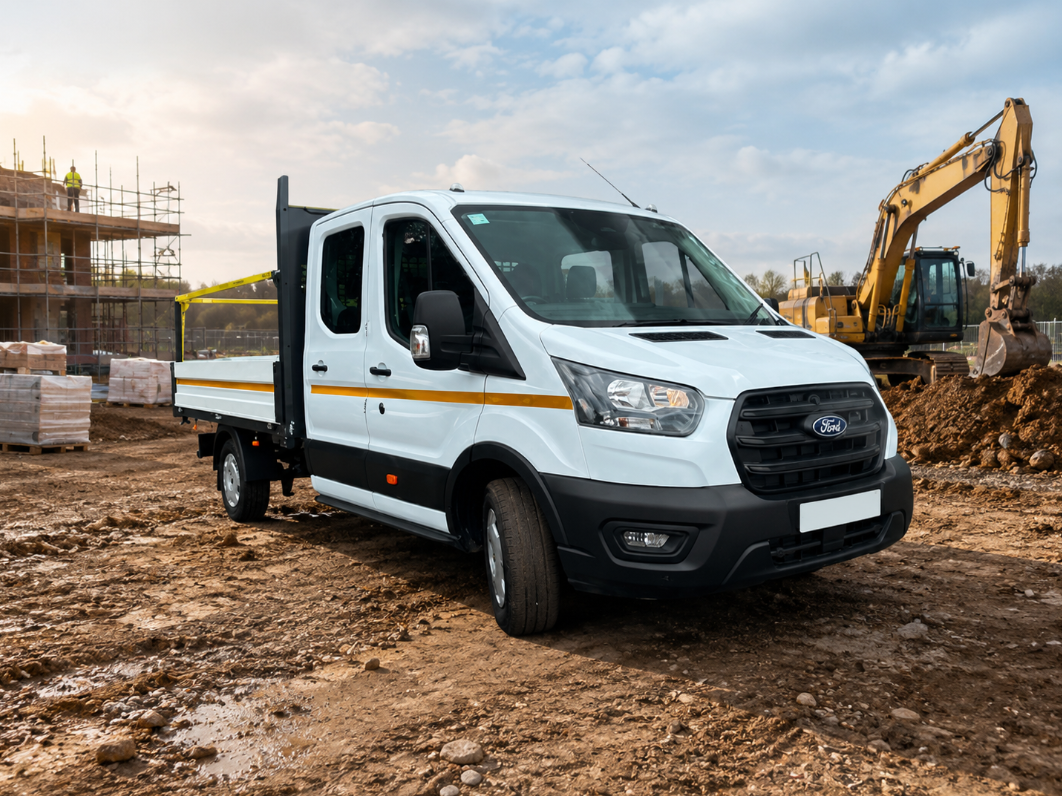
Bridgend, United Kingdom, July 06, 2026 --(PR.com)-- For plumbers, electricians, builders, landscapers, carpenters and other skilled tradespeople, a van is far more than just a means of transport. It serves as a mobile workshop, tool store and is often the first impression customers have of a business. At Dragon Vans, the importance of purchasing a reliable used van is well understood.
While buying a used vehicle can be a cost-effective way to keep a business moving, ensuring value for money and avoiding inherited mechanical problems should always be a priority.
Before committing to a purchase, there are ten important checks every tradesperson should carry out when buying a used van.
1. Check the Service History
One of the first things to request is the van's service history. A well-maintained vehicle will usually have records showing regular servicing, oil changes and routine maintenance carried out throughout its life. These documents provide reassurance that previous owners have cared for the vehicle properly.
A van with a comprehensive service history is often a safer investment than one with lower mileage but no evidence of regular maintenance. Service records may also highlight major repairs that have already been completed, potentially reducing future maintenance costs.
2. Review the MOT History
Many buyers simply check whether a van has a valid MOT, but the vehicle's MOT history can reveal much more. Reviewing previous MOT records may uncover recurring advisories or repeated failures that indicate underlying issues.
For example, repeated advisories relating to suspension wear, corrosion or braking problems may suggest ongoing concerns. Spending a few minutes reviewing the MOT history can provide valuable insight into the vehicle's condition and how well it has been maintained over the years.
3. Pay Close Attention to the Load Area
The condition of the load space often reveals how a van has been used. While some wear and tear is expected, excessive damage could indicate particularly demanding use.
Careful inspection of the flooring, side panels and wheel arches is recommended. Signs of water leaks, rust, poorly repaired damage or excessive dents should be noted. A clean and well-maintained load area often reflects careful ownership and may help avoid unexpected repair costs later.
4. Make Sure the Van Can Handle the Intended Workload
One common mistake is focusing on price rather than practicality. The van should be suitable for the type of work carried out on a daily basis.
Consideration should be given to the tools, equipment and materials that are regularly transported. For businesses carrying heavy loads, ensuring sufficient payload capacity is essential. Purchasing a van that is too small can lead to overloading, increased wear and tear, and potential legal issues if weight limits are exceeded.
5. Don't Judge a Van by Mileage Alone
Lower mileage does not always mean a better vehicle. The type of driving a van has experienced can be just as important as the figure shown on the odometer.
A van that has spent most of its life on motorways may be in better mechanical condition than one with fewer miles completed in stop-start urban traffic. Evaluating the overall condition, service history and previous usage provides a much clearer picture than mileage alone.
6. Look for Signs of Previous Accident Damage
Not all accident repairs are immediately obvious, making a careful visual inspection worthwhile before making a purchase decision.
Paintwork that varies slightly between panels, uneven panel gaps or signs of overspray on trims and seals may indicate previous repairs. While professionally repaired accident damage is not necessarily a concern, undisclosed repairs could affect both the vehicle's value and long-term reliability.
7. Test All Electrical Equipment
Modern vans are equipped with a wide range of electrical systems, and repairs can quickly become expensive. Every electrical feature should be tested before purchase.
Windows, central locking, heating, air conditioning, infotainment systems, parking sensors and any additional fitted features should all be checked. Even relatively minor faults can become frustrating and costly after purchase.
8. Consider the Total Running Costs
The purchase price represents only part of the overall cost of owning a van. Fuel economy, maintenance, road tax and insurance all contribute to long-term running costs.
A slightly more expensive van that offers greater reliability and better fuel efficiency may prove significantly more economical over time than a cheaper vehicle requiring frequent repairs. Taking a long-term view can lead to a smarter investment.
9. Assess the Security Features
Tool theft remains a significant issue for tradespeople across the UK, making vehicle security more important than ever. Replacing stolen tools can be costly and may result in lost income while equipment is replaced.
When inspecting a van, it is worth checking for factory-fitted security systems or aftermarket additions such as deadlocks, slam locks, alarms and immobilisers. A secure van provides valuable peace of mind and helps protect both equipment and business operations.
10. Think About the Business Image
One frequently overlooked consideration is how a van reflects the business it represents. Work vehicles are often parked outside customers' homes and commercial premises, making them a highly visible part of a company's brand.
A clean, professional-looking van can help establish trust and confidence before any work begins. It is also worth considering whether the vehicle offers sufficient space for signwriting and whether its appearance reflects the quality and professionalism of the business.
Final Thoughts
Buying a used van is one of the most significant investments many tradespeople will make. Taking the time to complete these essential checks can help avoid expensive mistakes, minimise downtime and ensure the vehicle remains a dependable business asset for years to come.
Dragon Vans, based in Bridgend, South Wales, understands that every trade has different requirements. Whether the need is for a compact van suited to urban work or a larger vehicle capable of carrying heavy equipment and materials, experienced staff can help identify the right solution.
A wide selection of quality used vans is available, with every vehicle carefully chosen to deliver reliability, value and performance for hardworking businesses. Businesses looking to upgrade an existing vehicle or purchase a first work van are encouraged to contact Dragon Vans to discuss the available options.
While buying a used vehicle can be a cost-effective way to keep a business moving, ensuring value for money and avoiding inherited mechanical problems should always be a priority.
Before committing to a purchase, there are ten important checks every tradesperson should carry out when buying a used van.
1. Check the Service History
One of the first things to request is the van's service history. A well-maintained vehicle will usually have records showing regular servicing, oil changes and routine maintenance carried out throughout its life. These documents provide reassurance that previous owners have cared for the vehicle properly.
A van with a comprehensive service history is often a safer investment than one with lower mileage but no evidence of regular maintenance. Service records may also highlight major repairs that have already been completed, potentially reducing future maintenance costs.
2. Review the MOT History
Many buyers simply check whether a van has a valid MOT, but the vehicle's MOT history can reveal much more. Reviewing previous MOT records may uncover recurring advisories or repeated failures that indicate underlying issues.
For example, repeated advisories relating to suspension wear, corrosion or braking problems may suggest ongoing concerns. Spending a few minutes reviewing the MOT history can provide valuable insight into the vehicle's condition and how well it has been maintained over the years.
3. Pay Close Attention to the Load Area
The condition of the load space often reveals how a van has been used. While some wear and tear is expected, excessive damage could indicate particularly demanding use.
Careful inspection of the flooring, side panels and wheel arches is recommended. Signs of water leaks, rust, poorly repaired damage or excessive dents should be noted. A clean and well-maintained load area often reflects careful ownership and may help avoid unexpected repair costs later.
4. Make Sure the Van Can Handle the Intended Workload
One common mistake is focusing on price rather than practicality. The van should be suitable for the type of work carried out on a daily basis.
Consideration should be given to the tools, equipment and materials that are regularly transported. For businesses carrying heavy loads, ensuring sufficient payload capacity is essential. Purchasing a van that is too small can lead to overloading, increased wear and tear, and potential legal issues if weight limits are exceeded.
5. Don't Judge a Van by Mileage Alone
Lower mileage does not always mean a better vehicle. The type of driving a van has experienced can be just as important as the figure shown on the odometer.
A van that has spent most of its life on motorways may be in better mechanical condition than one with fewer miles completed in stop-start urban traffic. Evaluating the overall condition, service history and previous usage provides a much clearer picture than mileage alone.
6. Look for Signs of Previous Accident Damage
Not all accident repairs are immediately obvious, making a careful visual inspection worthwhile before making a purchase decision.
Paintwork that varies slightly between panels, uneven panel gaps or signs of overspray on trims and seals may indicate previous repairs. While professionally repaired accident damage is not necessarily a concern, undisclosed repairs could affect both the vehicle's value and long-term reliability.
7. Test All Electrical Equipment
Modern vans are equipped with a wide range of electrical systems, and repairs can quickly become expensive. Every electrical feature should be tested before purchase.
Windows, central locking, heating, air conditioning, infotainment systems, parking sensors and any additional fitted features should all be checked. Even relatively minor faults can become frustrating and costly after purchase.
8. Consider the Total Running Costs
The purchase price represents only part of the overall cost of owning a van. Fuel economy, maintenance, road tax and insurance all contribute to long-term running costs.
A slightly more expensive van that offers greater reliability and better fuel efficiency may prove significantly more economical over time than a cheaper vehicle requiring frequent repairs. Taking a long-term view can lead to a smarter investment.
9. Assess the Security Features
Tool theft remains a significant issue for tradespeople across the UK, making vehicle security more important than ever. Replacing stolen tools can be costly and may result in lost income while equipment is replaced.
When inspecting a van, it is worth checking for factory-fitted security systems or aftermarket additions such as deadlocks, slam locks, alarms and immobilisers. A secure van provides valuable peace of mind and helps protect both equipment and business operations.
10. Think About the Business Image
One frequently overlooked consideration is how a van reflects the business it represents. Work vehicles are often parked outside customers' homes and commercial premises, making them a highly visible part of a company's brand.
A clean, professional-looking van can help establish trust and confidence before any work begins. It is also worth considering whether the vehicle offers sufficient space for signwriting and whether its appearance reflects the quality and professionalism of the business.
Final Thoughts
Buying a used van is one of the most significant investments many tradespeople will make. Taking the time to complete these essential checks can help avoid expensive mistakes, minimise downtime and ensure the vehicle remains a dependable business asset for years to come.
Dragon Vans, based in Bridgend, South Wales, understands that every trade has different requirements. Whether the need is for a compact van suited to urban work or a larger vehicle capable of carrying heavy equipment and materials, experienced staff can help identify the right solution.
A wide selection of quality used vans is available, with every vehicle carefully chosen to deliver reliability, value and performance for hardworking businesses. Businesses looking to upgrade an existing vehicle or purchase a first work van are encouraged to contact Dragon Vans to discuss the available options.
Contact
Dragon Vans
Oliver Lewis
01656339339
https://www.dragonvans.co.uk
Oliver Lewis
01656339339
https://www.dragonvans.co.uk
 Contact
Categories