
Jim Chizek, Noted Northwoods Conservationist and Author, Posthumously Releases a Historical Novel, "The Night Peshtigo Died"
“The Night Peshtigo Died” from Christian Faith Publishing author Jim Chizek is an insightful historical nonfiction work that explores the tragic events of the 1871 Peshtigo Fire, examining its causes, the human suffering, and the long-term effects on the region. This historically accurate novel includes an appendix of original photos and other documents gathered from newspaper archives and other public documents.
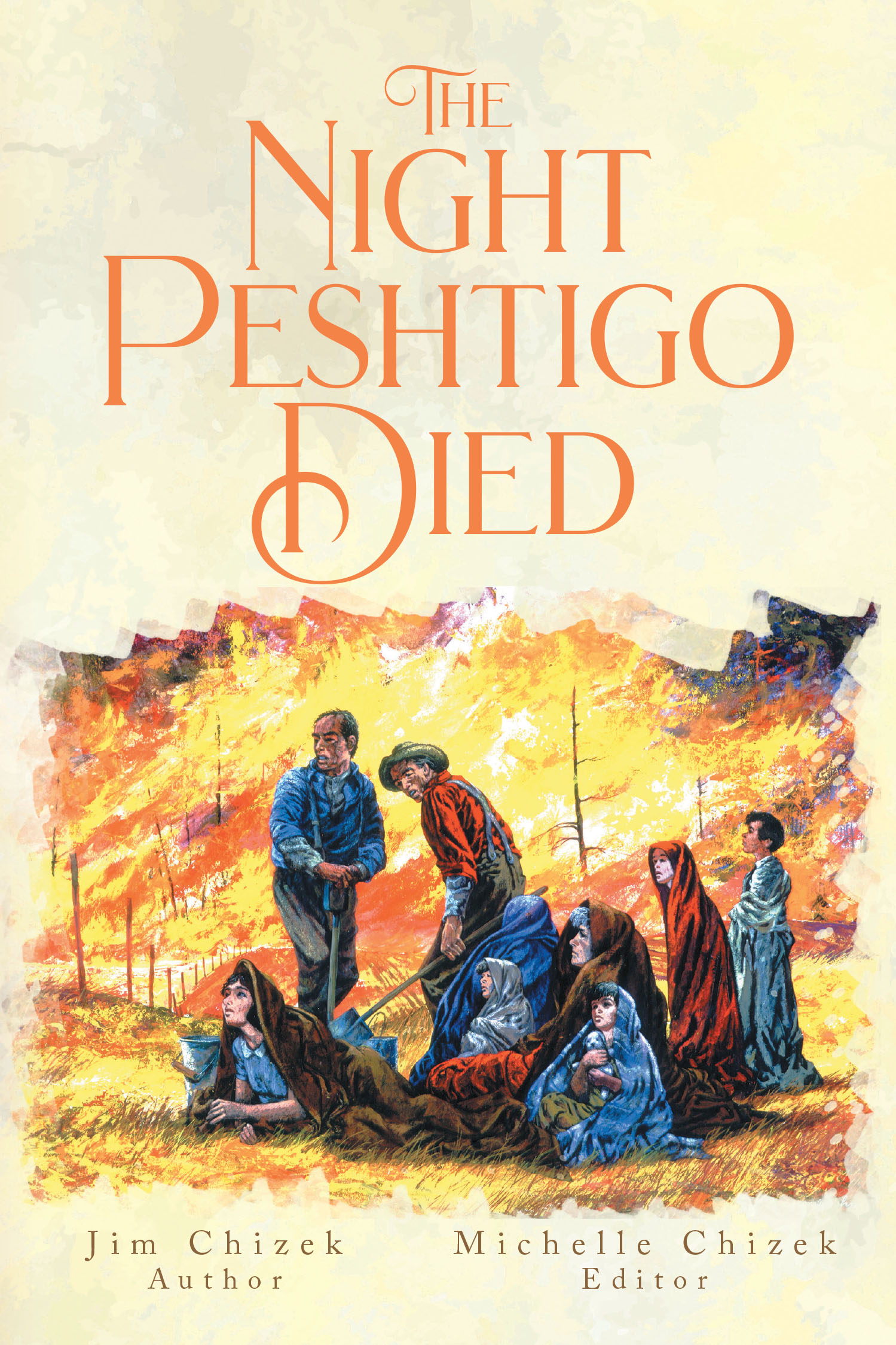
New York, NY, June 27, 2025 --(PR.com)-- “The Night Peshtigo Died”: a factual account of the catastrophic Peshtigo Fire, which occurred on October 8, 1871, making it the deadliest wildfire in U.S. history. “The Night Peshtigo Died” is the creation of published author, Jim Chizek. Born in 1930, Jim Chizek, retired Wisconsin conservation warden, number 73, had lived his entire life in Wisconsin. Before working as a state warden, he was raised on a dairy farm in northern Wisconsin, worked as a logger, and on various jobs in railroading. After serving in the Marine Corps during the Korean War, he returned to the northern part of the state, where he married Shirley Plyer in Phillips.
In 1955, he began his career in conservation, working in various parts of the state under the tutelage of experienced wardens and spent one winter on snowshoes surveying winter deeryards for the state game division, where he saw many starving and dead deer.
He served eleven years as a field warden at Portage before accepting a promotion to district warden stationed at Park Falls, supervising the law enforcement effort of three northern counties. He was seriously injured in a car accident while working deer shiners in the fall of 1968. Taking a job in the chief warden’s office in the capital city of Madison, doing budget and planning and undercover law enforcement, he retired in 1986 after thirty-one years of service.
Beginning his writing career after retirement, he successfully published two books: Game Warden Centurion and Protectors of the Outdoors. He also wrote freelance for several magazines and for the Wisconsin Outdoor News, a conservation newspaper. Intrigued by the tragic fire in Northeast Wisconsin and the Upper Peninsula of Michigan in 1871, he now wrote The Night Peshtigo Died. His writings are faithful to the scene, time, cause, and the human suffering of the firestorm dubbed the Peshtigo Fire.
Jim Chizek, in his novel, depicts the struggles of the people of Peshtigo, based on actual happenings before, during, and after the disastrous Peshtigo Fire of October 8, 1871.
As East Coast timber was depleted, a demographic shift to the huge pinery along the Great Lakes began. With New England Yankees and new European immigrants finding able work in logging, came disastrous forest fires taking not only forests but also many new logging communities, sometimes with human casualties. With the depletion of the forests also came the extinction of many species of wildlife, including the passenger pigeon and the monk parakeet.
On October 8, 1871, occurred the worst forest fire in American history. Never has there been so much human suffering and loss of life as with the Peshtigo Fire. Because the Peshtigo Fire happened on the same day as the disastrous Chicago Fire, the little-known wilderness area received very little of the infamous notoriety of the fire in Illinois. The Peshtigo Fire was a firestorm with tornadoes of fire that far surpassed that of the Chicago Fire in deaths and suffering of this community. It consumed approximately 1,200,000 acres, with the culmination of deaths far exceeding most estimates of 1,500–2,500, along with twenty-three scattered villages of Menominee, Pottawatomie, Stockbridge, and Chippewa that were burned in the wilderness area.
The story is of a typical family’s dream of the time attempting to eke out a living in a wilderness area by utilizing the natural resources that they believed were so enormous they could never be depleted.
Suffering after the fire was much greater due to the seriousness of burns and depravity, followed by those who suffered financial losses and loss of family and friends. The fire left very few survivors to identify the remaining, as the countless homeless were to face the fast-approaching cold Midwest winter. Survivors of the fire and their kin have honored the suffering of that terrible day with many memorials, consecrating the ground where they perished.
Published by Christian Faith Publishing, Jim Chizek’s new book is an essential work for those interested in American history, environmental disasters, and the resilience of communities in the face of unimaginable tragedy.
Consumers can purchase “The Night Peshtigo Died” at traditional brick & mortar bookstores, or online at Amazon.com, Apple iTunes store, or Barnes and Noble.
For additional information or inquiries about “The Night Peshtigo Died,” contact the Christian Faith Publishing media department at 866-554-0919.
In 1955, he began his career in conservation, working in various parts of the state under the tutelage of experienced wardens and spent one winter on snowshoes surveying winter deeryards for the state game division, where he saw many starving and dead deer.
He served eleven years as a field warden at Portage before accepting a promotion to district warden stationed at Park Falls, supervising the law enforcement effort of three northern counties. He was seriously injured in a car accident while working deer shiners in the fall of 1968. Taking a job in the chief warden’s office in the capital city of Madison, doing budget and planning and undercover law enforcement, he retired in 1986 after thirty-one years of service.
Beginning his writing career after retirement, he successfully published two books: Game Warden Centurion and Protectors of the Outdoors. He also wrote freelance for several magazines and for the Wisconsin Outdoor News, a conservation newspaper. Intrigued by the tragic fire in Northeast Wisconsin and the Upper Peninsula of Michigan in 1871, he now wrote The Night Peshtigo Died. His writings are faithful to the scene, time, cause, and the human suffering of the firestorm dubbed the Peshtigo Fire.
Jim Chizek, in his novel, depicts the struggles of the people of Peshtigo, based on actual happenings before, during, and after the disastrous Peshtigo Fire of October 8, 1871.
As East Coast timber was depleted, a demographic shift to the huge pinery along the Great Lakes began. With New England Yankees and new European immigrants finding able work in logging, came disastrous forest fires taking not only forests but also many new logging communities, sometimes with human casualties. With the depletion of the forests also came the extinction of many species of wildlife, including the passenger pigeon and the monk parakeet.
On October 8, 1871, occurred the worst forest fire in American history. Never has there been so much human suffering and loss of life as with the Peshtigo Fire. Because the Peshtigo Fire happened on the same day as the disastrous Chicago Fire, the little-known wilderness area received very little of the infamous notoriety of the fire in Illinois. The Peshtigo Fire was a firestorm with tornadoes of fire that far surpassed that of the Chicago Fire in deaths and suffering of this community. It consumed approximately 1,200,000 acres, with the culmination of deaths far exceeding most estimates of 1,500–2,500, along with twenty-three scattered villages of Menominee, Pottawatomie, Stockbridge, and Chippewa that were burned in the wilderness area.
The story is of a typical family’s dream of the time attempting to eke out a living in a wilderness area by utilizing the natural resources that they believed were so enormous they could never be depleted.
Suffering after the fire was much greater due to the seriousness of burns and depravity, followed by those who suffered financial losses and loss of family and friends. The fire left very few survivors to identify the remaining, as the countless homeless were to face the fast-approaching cold Midwest winter. Survivors of the fire and their kin have honored the suffering of that terrible day with many memorials, consecrating the ground where they perished.
Published by Christian Faith Publishing, Jim Chizek’s new book is an essential work for those interested in American history, environmental disasters, and the resilience of communities in the face of unimaginable tragedy.
Consumers can purchase “The Night Peshtigo Died” at traditional brick & mortar bookstores, or online at Amazon.com, Apple iTunes store, or Barnes and Noble.
For additional information or inquiries about “The Night Peshtigo Died,” contact the Christian Faith Publishing media department at 866-554-0919.
Contact
Christian Faith Publishing
Media Department
800-955-3794
www.christianfaithpublishing.com
Media Department
800-955-3794
www.christianfaithpublishing.com
 Contact
Categories