
Rainbow Restoration Discovers Mold Beneath Floors and Inside Homes in Eastern Idaho
Rainbow Restoration is uncovering the presence of a highly correlated micro that lurks beneath our floors and inside our homes. Mold is present when the weather is warm and humid or when lots of water seeps into and around our homes. Early detection and removal are recommended.
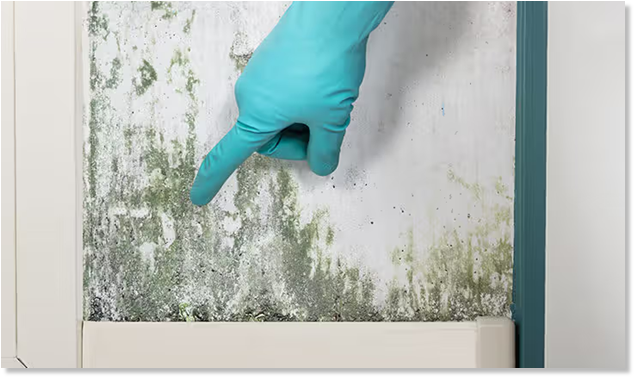
Idaho Falls, ID, August 19, 2025 --(PR.com)-- Rainbow Restoration has discovered that many Eastern Idaho homes have basements which presents a great environment for mold to grow and thrive. Mold poses a real problem where it’s hot, wet and humid; especially when those fall, Eastern Idaho thunderboomers roll in. Rainbow Restoration warns families who may be dealing with asthma or allergy issues and where mold is present may suffer exacerbated health issues as a result of spores. Here are several tips to educate yourself and your family on mold prevention.
Common Areas for Mold Growth
Mold thrives in damp environments, so typical areas of growth are in the shower, around toilets and tubs, beneath sinks, and in the basement. Keeping these key areas dry and disinfected is one of the best ways to stop mold before it gets out of hand. If your home suffers from water run-off or leaks because of outside water flows or during storms, monitoring these frequently will be instrumental in keeping your home safe.
If You See Water Damage, Act Fast
Water damage is the most frequent cause of home destruction, and should you see water damage or a leak in your home, it is essential to address it as soon as possible. Water penetration in the ceiling, roof or basement typically show-up during rain storms, but constant over filling a bath or sink can also create water problems. If you notice damp areas on the carpet, beneath pipes, or along the edges of the walls, it’s time to break out a repair kit or contact a mold remediation specialist.
Clean Your Gutters
Clogged gutters are a surprising culprit of mold growth around the home. If the gutter or downspout is blocked up with leaf litter and debris, the overflowing water won’t be directed away from your home. Instead, the water will most likely collect around the foundation, pooling around your house’s perimeter and finding any cracks to seep into.
Check Your Dryer Vents
If you’ve noticed that the room your dryer is in is humid when you run the machine, it’s a sign that your dryer vent may be clogged or improperly hooked up. If the moisture removed from the drying process can’t get outside or is escaping into your laundry area, it is creating a warm, damp area perfect for mold growth. A simple cleaning or dryer vent replacement is a huge step towards mold prevention.
Clean With Mold in Mind
When you’re cleaning potential areas in your home most prone to mold, you can focus on mold prevention by using antimicrobial or disinfectant products. Many people use bleach as a go-to product for tackling mold on non-porous surfaces, but other cleaners are also available. The proper ratio is 1 cup of bleach per gallon of water, according to the Occupational Safety and Health Administration (OSHA). However, if you suspect there may be underlying mold, daily cleanings will only hold it at bay, not remove it. A restoration specialist may be required to attack its source.
Monitor Your Home’s Humidity Levels
If you are struggling with recurring mold growth in your home, monitoring the humidity levels of the most affected rooms will help you achieve your indoor air quality goals. Humidity monitors are an inexpensive tool to pair with dehumidifiers or fresh air to more effectively control emerging mold. Monitors can range in price from $9 to $170 dollars and can be found at local hardware stores.
Consider Indoor Plants
Indoor plants are a somewhat surprising and subtle way to prevent mold. While still limited, some research is pointing to indoor plants as a way to remove mold spores from the air. However, overly watered plants or potted plants with poor drainage can actually support mold growth. Consider bringing into your home low-water oxygen producing air plants that boost your air quality. A few examples are snake plants (Sansevieria trifasciata) and spider plants (Cholorphytum comosum).
When It's Raining; Be Aware
Heavy rainstorms are one of the biggest contributors to mold growth. Not only does the downpour find its way into cracks, but the dampness it leaves behind for days can create the perfect environment for mold to thrive. If you know a storm is coming, it’s the ideal time to clean out gutters, use weatherstrips to seal windows, and consider investing in a sump pump that will defend your basement from flooding.
You may also want to have plenty of towels and a few buckets on hand if you know you have roof leaks that like to drip during heavy rain. As soon as the storm clears, alert a professional to repair any problem, both to prevent mold and to protect your home.
Eastern Idaho Winters
Just like a heavy rain storm, snow can quickly lead to mold in the home. The moment sitting snow begins to melt, a home may be affected by the gradual melting of water onto the roof, into gutters, and around the home’s foundations. Icy windows will also have more moisture on them when the sun hits them.
Mold May Be a Connected to Physical Symptoms
Mold can exacerbate the effects of asthma and allergies for family members who already deal with them. If you notice that breathing trouble and irritation worsen, it’s a potential sign that mold may be a contributor and present.
Mildew also has a distinct smell and many of us have come to recognize it, but sometimes we get use to the smell and lose our sensitivity. Bring in a family friend and ask them if they recognize the smell which may be a great way to double-check.
If you notice these physical symptoms, you can either try to seek out the source of the mold for visual confirmation or bring in a specialist to perform testing and explore options moving forward.
If you suspect mold in and around your home, call Rainbow Restoration of Idaho. They specialize in mold remediation and mold testing and can be reached 24/7. Rainbow provides free mold evaluations and provides services from clean-up to a full house restoration. If you suspect water damage or the presence of mold, give Rainbow a call at 208.497.5252 or visit them online at www.rainbowrestores.com/Idaho-falls.
Common Areas for Mold Growth
Mold thrives in damp environments, so typical areas of growth are in the shower, around toilets and tubs, beneath sinks, and in the basement. Keeping these key areas dry and disinfected is one of the best ways to stop mold before it gets out of hand. If your home suffers from water run-off or leaks because of outside water flows or during storms, monitoring these frequently will be instrumental in keeping your home safe.
If You See Water Damage, Act Fast
Water damage is the most frequent cause of home destruction, and should you see water damage or a leak in your home, it is essential to address it as soon as possible. Water penetration in the ceiling, roof or basement typically show-up during rain storms, but constant over filling a bath or sink can also create water problems. If you notice damp areas on the carpet, beneath pipes, or along the edges of the walls, it’s time to break out a repair kit or contact a mold remediation specialist.
Clean Your Gutters
Clogged gutters are a surprising culprit of mold growth around the home. If the gutter or downspout is blocked up with leaf litter and debris, the overflowing water won’t be directed away from your home. Instead, the water will most likely collect around the foundation, pooling around your house’s perimeter and finding any cracks to seep into.
Check Your Dryer Vents
If you’ve noticed that the room your dryer is in is humid when you run the machine, it’s a sign that your dryer vent may be clogged or improperly hooked up. If the moisture removed from the drying process can’t get outside or is escaping into your laundry area, it is creating a warm, damp area perfect for mold growth. A simple cleaning or dryer vent replacement is a huge step towards mold prevention.
Clean With Mold in Mind
When you’re cleaning potential areas in your home most prone to mold, you can focus on mold prevention by using antimicrobial or disinfectant products. Many people use bleach as a go-to product for tackling mold on non-porous surfaces, but other cleaners are also available. The proper ratio is 1 cup of bleach per gallon of water, according to the Occupational Safety and Health Administration (OSHA). However, if you suspect there may be underlying mold, daily cleanings will only hold it at bay, not remove it. A restoration specialist may be required to attack its source.
Monitor Your Home’s Humidity Levels
If you are struggling with recurring mold growth in your home, monitoring the humidity levels of the most affected rooms will help you achieve your indoor air quality goals. Humidity monitors are an inexpensive tool to pair with dehumidifiers or fresh air to more effectively control emerging mold. Monitors can range in price from $9 to $170 dollars and can be found at local hardware stores.
Consider Indoor Plants
Indoor plants are a somewhat surprising and subtle way to prevent mold. While still limited, some research is pointing to indoor plants as a way to remove mold spores from the air. However, overly watered plants or potted plants with poor drainage can actually support mold growth. Consider bringing into your home low-water oxygen producing air plants that boost your air quality. A few examples are snake plants (Sansevieria trifasciata) and spider plants (Cholorphytum comosum).
When It's Raining; Be Aware
Heavy rainstorms are one of the biggest contributors to mold growth. Not only does the downpour find its way into cracks, but the dampness it leaves behind for days can create the perfect environment for mold to thrive. If you know a storm is coming, it’s the ideal time to clean out gutters, use weatherstrips to seal windows, and consider investing in a sump pump that will defend your basement from flooding.
You may also want to have plenty of towels and a few buckets on hand if you know you have roof leaks that like to drip during heavy rain. As soon as the storm clears, alert a professional to repair any problem, both to prevent mold and to protect your home.
Eastern Idaho Winters
Just like a heavy rain storm, snow can quickly lead to mold in the home. The moment sitting snow begins to melt, a home may be affected by the gradual melting of water onto the roof, into gutters, and around the home’s foundations. Icy windows will also have more moisture on them when the sun hits them.
Mold May Be a Connected to Physical Symptoms
Mold can exacerbate the effects of asthma and allergies for family members who already deal with them. If you notice that breathing trouble and irritation worsen, it’s a potential sign that mold may be a contributor and present.
Mildew also has a distinct smell and many of us have come to recognize it, but sometimes we get use to the smell and lose our sensitivity. Bring in a family friend and ask them if they recognize the smell which may be a great way to double-check.
If you notice these physical symptoms, you can either try to seek out the source of the mold for visual confirmation or bring in a specialist to perform testing and explore options moving forward.
If you suspect mold in and around your home, call Rainbow Restoration of Idaho. They specialize in mold remediation and mold testing and can be reached 24/7. Rainbow provides free mold evaluations and provides services from clean-up to a full house restoration. If you suspect water damage or the presence of mold, give Rainbow a call at 208.497.5252 or visit them online at www.rainbowrestores.com/Idaho-falls.
Contact
Rainbow Restoration of Idaho
Scott Setterlund
208-497-5252
www.rainbowrestores.com/idaho-falls
Scott Setterlund
208-497-5252
www.rainbowrestores.com/idaho-falls
 Contact
Categories