
South Coast Deck Inspections Urges Apartment and Condo Property Managers to Act as SB 721, SB 326, and SB 410 Deadlines Approach
California property managers are being warned that delayed compliance with SB 326, SB 721, and the updated SB 410 could directly jeopardize insurance coverage and real-estate resale value. With thousands of apartment and condominium buildings still overdue for required balcony and exterior elevated element inspections-and many already showing concealed wood deterioration-insurers, lenders, and buyers are increasingly refusing to move forward without proof of compliance.
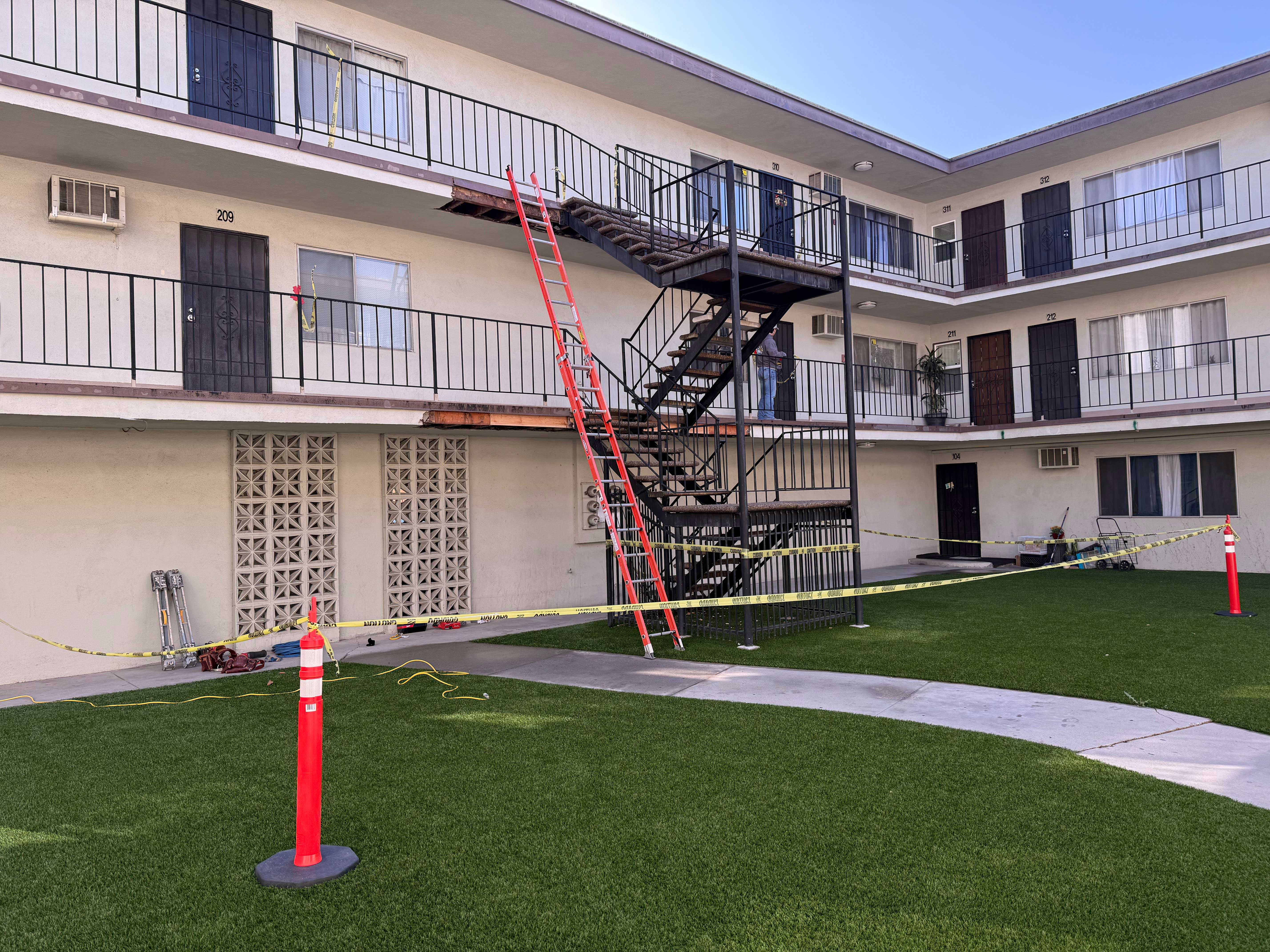
Los Angeles, CA, December 09, 2025 --(PR.com)-- California property managers overseeing apartment and condominium communities are facing increased pressure as statewide balcony-safety laws SB 326, SB 721, and the newly updated SB 410 enter full enforcement. With thousands of properties still overdue and many showing previously undetected wood deterioration, delays are expected to affect sales, insurance, refinancing, and liability exposure.
The California Department of Real Estate and industry experts are issuing a unified warning. “For those who missed the original deadline, the message is clear: act now,” said Chika Sunquist, California Department of Real Estate Commissioner. “Consumer protection is our top priority. We encourage all licensees managing affected properties to partner with licensed professionals immediately to ensure safety and compliance.”
SB 721 – Apartment Buildings
SB 721 requires inspections of wooden load bearing exterior elevated elements (EEEs) in apartment buildings with three or more units, conducted every six years by licensed contractors, engineers, or architects. Inspection firms report a statewide backlog, especially for properties that missed earlier deadlines.
SB 326 – Condominium Associations
SB 326 mandates licensed engineers or architects to inspect EEEs in condominium associations. “SB 326 requires inspections … for California condominium projects with three or more attached units,” said Laurie S. Poole, Co-Managing Partner at Adams-Stirling, PLC. “The first inspections were due by January 1, 2025.”
The law followed the 2015 Berkeley balcony collapse that revealed hidden dry rot undetectable without professional evaluation. Many apartment owners, property management companies, and community associations remain unaware the deadline has passed. “Our team works with an in-house architect to streamline the compliance process and our inspection teams cover every county in Southern California.” said James Malki, owner of South Coast Deck Inspections. "We get calls everyday, asking if our reports comply with the new SB 410 requirements. Our response is yes, we go the extra mile with our inspections and certified reports. The second most popular question is, 'If our inspectors find rot, poor weather proofing, or structural damage...can we repair it?' Thankfully, we are licensed general contractors that specialize in both deck inspections and apartment and condo repair."
SB 410 – Updated Requirements for Condominiums
SB 410 strengthens and clarifies SB 326, including streamlined reporting, clearer definitions, expanded inspector authority, and improved alignment with insurance requirements. It reinforces that associations must not delay mandatory inspections, especially if any unit wishes to be be sold.
Widespread Hidden Damage
Inspection firms report that 30–65% of buildings show concealed deterioration such as dry rot, moisture intrusion, UV damage, and rusted hardware—often hidden behind stucco or waterproofing. These conditions pose safety hazards and may impact insurance, lending, and real estate transactions if not repaired and without a proper inspection certification indicating repairs have been completed.
Consequences of Non-Compliance
Properties that fail to meet the requirements of SB 326 or SB 721 face significant financial and operational risks. Insurers are increasingly denying or refusing to renew coverage for buildings without proof of inspection, creating immediate exposure for owners and associations. Real estate transactions may also be disrupted, with escrows delayed or cancelled when lenders or buyers cannot verify compliance. Homeowner associations may encounter financing challenges, particularly when deferred maintenance or unidentified structural issues are discovered. In many cases, buildings that postpone inspections end up facing emergency repair assessments, often at higher costs than planned maintenance. These factors collectively increase liability for property managers and association boards responsible for ensuring safety and compliance.
Recommended Actions
To avoid these complications, property managers and associations are strongly encouraged to schedule SB 326 or SB 721 inspections as soon as possible. Early inspection allows communities to understand the extent of any deterioration and prepare for potential repair needs based on professional findings. Maintaining detailed documentation of all inspections, repairs, and maintenance actions is essential for demonstrating compliance to insurers, lenders, and state regulators. Clear and proactive communication with residents and board members also helps ensure everyone understands their legal obligations and the importance of timely action.
About South Coast Deck Inspections
South Coast Deck Inspections specializes in SB 326, SB 721, and SB 410 compliance, providing full-scope inspections, testing, reporting, and repair for condominium associations, HOAs, and multifamily property managers throughout Southern California. Visit us at https://southcoastdeckinspections.com/ for friendly, fast, and economical inspections. Check out the 150+ reviews of our satistfied customers who gave us a 5.0 on Google Ratings https://share.google/WIfKIz9VWnN8RFgZB/
The California Department of Real Estate and industry experts are issuing a unified warning. “For those who missed the original deadline, the message is clear: act now,” said Chika Sunquist, California Department of Real Estate Commissioner. “Consumer protection is our top priority. We encourage all licensees managing affected properties to partner with licensed professionals immediately to ensure safety and compliance.”
SB 721 – Apartment Buildings
SB 721 requires inspections of wooden load bearing exterior elevated elements (EEEs) in apartment buildings with three or more units, conducted every six years by licensed contractors, engineers, or architects. Inspection firms report a statewide backlog, especially for properties that missed earlier deadlines.
SB 326 – Condominium Associations
SB 326 mandates licensed engineers or architects to inspect EEEs in condominium associations. “SB 326 requires inspections … for California condominium projects with three or more attached units,” said Laurie S. Poole, Co-Managing Partner at Adams-Stirling, PLC. “The first inspections were due by January 1, 2025.”
The law followed the 2015 Berkeley balcony collapse that revealed hidden dry rot undetectable without professional evaluation. Many apartment owners, property management companies, and community associations remain unaware the deadline has passed. “Our team works with an in-house architect to streamline the compliance process and our inspection teams cover every county in Southern California.” said James Malki, owner of South Coast Deck Inspections. "We get calls everyday, asking if our reports comply with the new SB 410 requirements. Our response is yes, we go the extra mile with our inspections and certified reports. The second most popular question is, 'If our inspectors find rot, poor weather proofing, or structural damage...can we repair it?' Thankfully, we are licensed general contractors that specialize in both deck inspections and apartment and condo repair."
SB 410 – Updated Requirements for Condominiums
SB 410 strengthens and clarifies SB 326, including streamlined reporting, clearer definitions, expanded inspector authority, and improved alignment with insurance requirements. It reinforces that associations must not delay mandatory inspections, especially if any unit wishes to be be sold.
Widespread Hidden Damage
Inspection firms report that 30–65% of buildings show concealed deterioration such as dry rot, moisture intrusion, UV damage, and rusted hardware—often hidden behind stucco or waterproofing. These conditions pose safety hazards and may impact insurance, lending, and real estate transactions if not repaired and without a proper inspection certification indicating repairs have been completed.
Consequences of Non-Compliance
Properties that fail to meet the requirements of SB 326 or SB 721 face significant financial and operational risks. Insurers are increasingly denying or refusing to renew coverage for buildings without proof of inspection, creating immediate exposure for owners and associations. Real estate transactions may also be disrupted, with escrows delayed or cancelled when lenders or buyers cannot verify compliance. Homeowner associations may encounter financing challenges, particularly when deferred maintenance or unidentified structural issues are discovered. In many cases, buildings that postpone inspections end up facing emergency repair assessments, often at higher costs than planned maintenance. These factors collectively increase liability for property managers and association boards responsible for ensuring safety and compliance.
Recommended Actions
To avoid these complications, property managers and associations are strongly encouraged to schedule SB 326 or SB 721 inspections as soon as possible. Early inspection allows communities to understand the extent of any deterioration and prepare for potential repair needs based on professional findings. Maintaining detailed documentation of all inspections, repairs, and maintenance actions is essential for demonstrating compliance to insurers, lenders, and state regulators. Clear and proactive communication with residents and board members also helps ensure everyone understands their legal obligations and the importance of timely action.
About South Coast Deck Inspections
South Coast Deck Inspections specializes in SB 326, SB 721, and SB 410 compliance, providing full-scope inspections, testing, reporting, and repair for condominium associations, HOAs, and multifamily property managers throughout Southern California. Visit us at https://southcoastdeckinspections.com/ for friendly, fast, and economical inspections. Check out the 150+ reviews of our satistfied customers who gave us a 5.0 on Google Ratings https://share.google/WIfKIz9VWnN8RFgZB/
Contact
South Coast Deck Inspections
James Malki
(657) 707-9127
https://southcoastdeckinspections.com/
James Malki
(657) 707-9127
https://southcoastdeckinspections.com/
 Contact
Categories