
For Decades, Addicts Have Been Told They Failed Recovery. What If Recovery Has Been Failing Them?
In new book Triple Modular Recovery, author Dan Shreve argues that addiction treatment has been missing something more fundamental than another recovery method: its first comprehensive recovery framework.
Bonney Lake, WA, July 23, 2026 --(PR.com)-- For decades, the 12-step model has shaped how millions of people think about addiction recovery. It has helped countless individuals rebuild their lives. Yet for many others, existing recovery programs have never provided a lasting solution.
Author Dan Shreve, MBA, PMP, believes the conversation has focused on the wrong question.
“We’ve spent decades arguing over which recovery method is best,” said Shreve. “That’s like arguing whether a hammer or a screwdriver is the best tool. The better question is: What framework should we use to determine which tools are right for a particular person?”
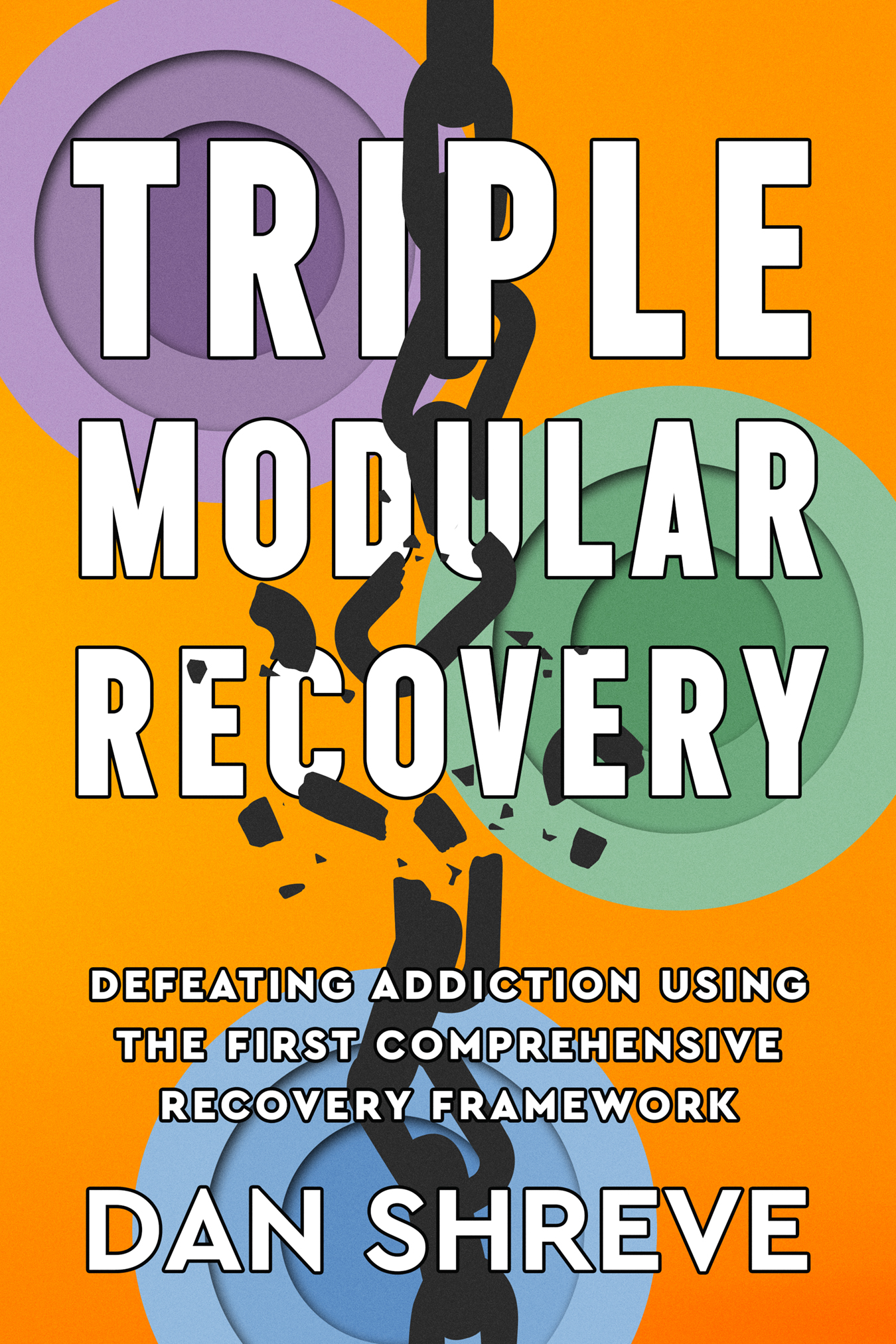
Shreve’s answer is Triple Modular Recovery: Defeating Addiction Using the First Comprehensive Recovery Framework, releasing August 8, 2026.
Drawing on more than twenty years of experience redesigning complex systems, Shreve approaches addiction from an engineer’s perspective.
Recovery is a design problem.
Every person arrives with different biology, psychology, life experiences, motivations, and circumstances. Yet much of addiction treatment has historically emphasized adapting individuals to a predetermined recovery model. Triple Modular Recovery reverses that equation by presenting a comprehensive framework designed to help individuals build a recovery strategy tailored to their unique needs using the best available scientific evidence.
Rather than asking readers to adopt a single philosophy or program, the book examines the science of addiction, explores the strengths and limitations of today’s most common recovery approaches, and demonstrates how evidence-based strategies can be combined into a personalized recovery plan.
“The recovery community has spent decades asking why people fail recovery,” Shreve said. “I believe we’ve been asking the wrong question. We should also be asking why recovery sometimes fails people. My goal isn’t to replace approaches that have helped millions. It’s to provide a practical framework for the millions more who have been left believing they’re beyond help.”
Written for individuals entering recovery, people who have experienced repeated relapse, family members, and professionals working in addiction treatment, Triple Modular Recovery combines scientific research, practical guidance, and an accessible writing style to challenge long-held assumptions while offering readers a flexible path toward lasting recovery.
About the Book
Triple Modular Recovery: Defeating Addiction Using the First Comprehensive Recovery Framework presents what Shreve describes as the first comprehensive framework for addiction recovery. Instead of promoting a single recovery method, the book organizes evidence-based strategies into a customizable system that enables individuals to design a recovery plan aligned with their own needs, strengths, and circumstances. Addressing both substance and behavioral addictions, the framework is intended to complement, rather than replace, existing recovery tools by helping readers identify which approaches are most likely to work for them.
Triple Modular Recovery will be available beginning August 8, 2026, through Amazon and other major booksellers.
About the Author
Dan Shreve, MBA, PMP, is a project manager and process improvement specialist with more than twenty years of experience helping organizations improve complex systems. Applying the principles of systems design to addiction recovery, he developed the Triple Modular Recovery framework to help individuals move beyond one-size-fits-all treatment models and build recovery strategies based on scientific evidence and personal fit.
Author Dan Shreve, MBA, PMP, believes the conversation has focused on the wrong question.
“We’ve spent decades arguing over which recovery method is best,” said Shreve. “That’s like arguing whether a hammer or a screwdriver is the best tool. The better question is: What framework should we use to determine which tools are right for a particular person?”
Shreve’s answer is Triple Modular Recovery: Defeating Addiction Using the First Comprehensive Recovery Framework, releasing August 8, 2026.
Drawing on more than twenty years of experience redesigning complex systems, Shreve approaches addiction from an engineer’s perspective.
Recovery is a design problem.
Every person arrives with different biology, psychology, life experiences, motivations, and circumstances. Yet much of addiction treatment has historically emphasized adapting individuals to a predetermined recovery model. Triple Modular Recovery reverses that equation by presenting a comprehensive framework designed to help individuals build a recovery strategy tailored to their unique needs using the best available scientific evidence.
Rather than asking readers to adopt a single philosophy or program, the book examines the science of addiction, explores the strengths and limitations of today’s most common recovery approaches, and demonstrates how evidence-based strategies can be combined into a personalized recovery plan.
“The recovery community has spent decades asking why people fail recovery,” Shreve said. “I believe we’ve been asking the wrong question. We should also be asking why recovery sometimes fails people. My goal isn’t to replace approaches that have helped millions. It’s to provide a practical framework for the millions more who have been left believing they’re beyond help.”
Written for individuals entering recovery, people who have experienced repeated relapse, family members, and professionals working in addiction treatment, Triple Modular Recovery combines scientific research, practical guidance, and an accessible writing style to challenge long-held assumptions while offering readers a flexible path toward lasting recovery.
About the Book
Triple Modular Recovery: Defeating Addiction Using the First Comprehensive Recovery Framework presents what Shreve describes as the first comprehensive framework for addiction recovery. Instead of promoting a single recovery method, the book organizes evidence-based strategies into a customizable system that enables individuals to design a recovery plan aligned with their own needs, strengths, and circumstances. Addressing both substance and behavioral addictions, the framework is intended to complement, rather than replace, existing recovery tools by helping readers identify which approaches are most likely to work for them.
Triple Modular Recovery will be available beginning August 8, 2026, through Amazon and other major booksellers.
About the Author
Dan Shreve, MBA, PMP, is a project manager and process improvement specialist with more than twenty years of experience helping organizations improve complex systems. Applying the principles of systems design to addiction recovery, he developed the Triple Modular Recovery framework to help individuals move beyond one-size-fits-all treatment models and build recovery strategies based on scientific evidence and personal fit.
Contact
Dan Shreve
253-235-8797
www.danshreve.com
253-235-8797
www.danshreve.com
 Contact
Categories