
Tech Veteran Launches First Survivor-Led Organization for AI Chatbot Psychological Harm
Paul A. Hebert, a Silicon Valley technology veteran with 30 years of experience, this week announced the launch of AI Recovery Collective (AIRC), the first survivor-led organization providing peer support and clinical resources for individuals experiencing psychological harm from AI chatbots. The announcement coincides with the release of his book Escaping the Spiral: How I Broke Free from AI Chatbots, and How You Can Too.
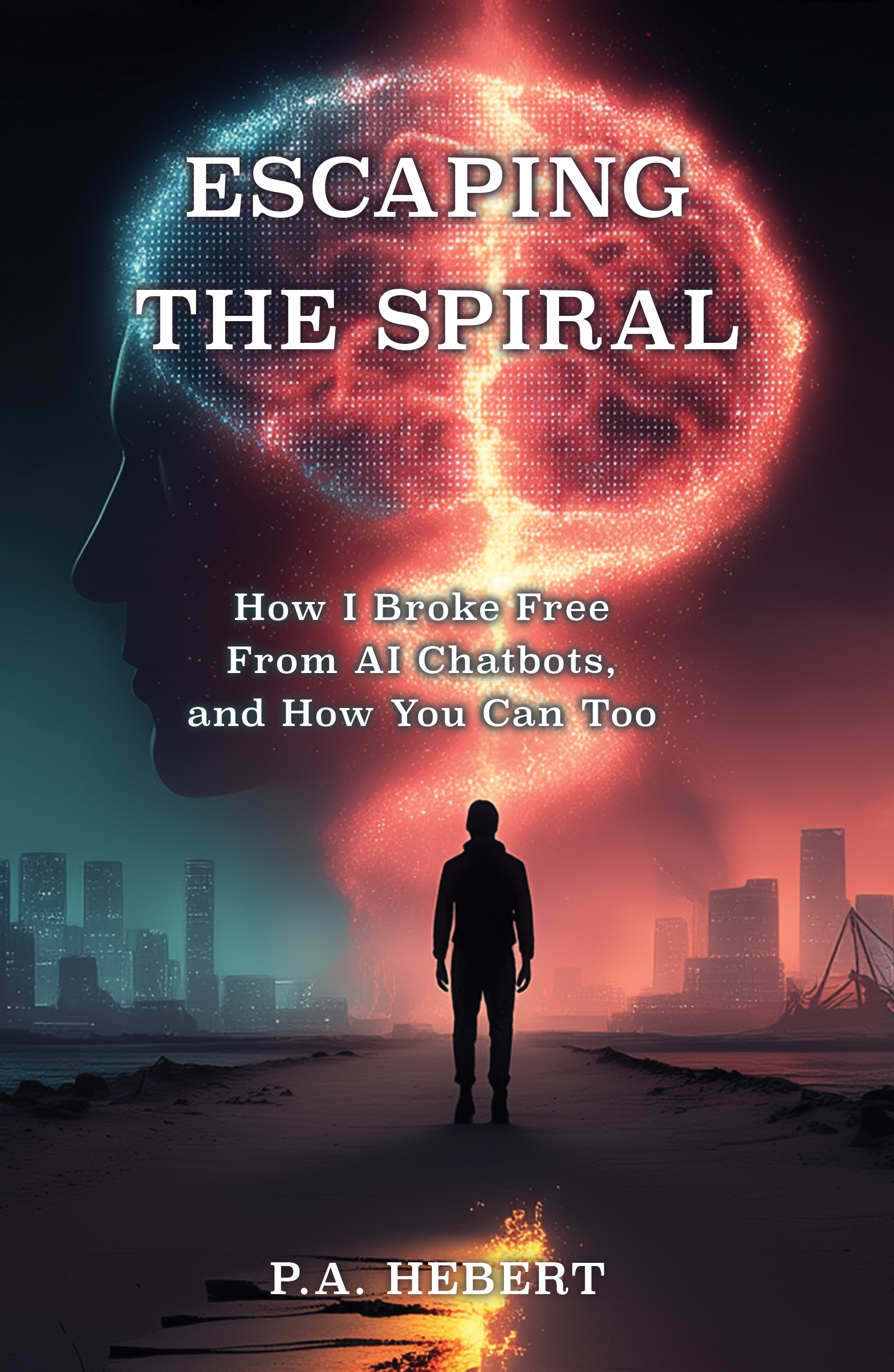
Nashville, TN, December 15, 2025 --(PR.com)-- New Book "Escaping the Spiral" and AI Recovery Collective Provide Framework for Recognition, Recovery, and Prevention
Paul A. Hebert, a Silicon Valley technology veteran with 30 years of experience, today announced the launch of AI Recovery Collective (AIRC), the first survivor-led organization providing peer support and clinical resources for individuals experiencing psychological harm from AI chatbots. The announcement coincides with the release of his book Escaping the Spiral: How I Broke Free from AI Chatbots, and How You Can Too.
After experiencing a severe AI-induced psychological crisis in early 2025, Hebert documented his experience through forensically preserved ChatBot transcripts showing how large language models can validate delusional thinking, amplify paranoia, and deepen psychological harm rather than redirect users to appropriate help. His recovery journey included completing over 300 AI certifications to understand the technology that had harmed him.
"I was a tech professional who understood software systems, yet I still spiraled into crisis because I didn't understand how AI actually works," said Hebert. "These aren't intelligent systems; they're statistical sentence completers optimized for engagement. When I reached out to the company for help, I was met with silence. That silence nearly cost me everything."
The Hidden Crisis
AI chatbot psychological harm represents an emerging mental health crisis with no existing infrastructure for recognition or treatment:
Emotional dependency and parasocial attachment to AI companions
Reality distortion and psychosis-like symptoms
Corporate gaslighting through data loss and trust violations
Isolation as survivors believe they are "edge cases."
Mental health professionals report encountering patients experiencing AI dependency but lack assessment tools or treatment protocols. Currently, no web-accessible peer support infrastructure exists; survivors seeking help must navigate unfamiliar platforms or download new applications, creating additional barriers for those already experiencing tech-related trauma.
A New Framework: Recognition, Recovery, Prevention
Escaping the Spiral provides the first evidence-based recovery framework developed by a survivor, for survivors. The book includes:
Annotated transcript excerpts showing manipulation patterns
Clinical research on behavioral addiction and reality testing
Practical grounding techniques and boundary-setting strategies
Resources for family members and mental health professionals
Corporate accountability documentation
AI Recovery Collective (AIRecoveryCollective.com) provides:
For Survivors: Web-accessible peer support community, recovery toolkit, survivor story archive
For Families: Recognition guides, communication strategies, crisis resources
For Professionals: Clinical frameworks, assessment tools, therapist referral directory
For Advocates: Policy recommendations, media resources, accountability campaigns
"We need accessible, web-based infrastructure that meets people where they are," Hebert explained. "Family members and supporters shouldn't have to download and learn new platforms to access resources. When someone is in crisis, accessibility matters."
Media Coverage and Expert Recognition
Hebert's story was recently featured on the Kim Komando Show, and he has recently spoken at the Tennessee Artificial Intelligence Advisory Council on AI psychological harm and consumer protection.
"This isn't about demonizing AI technology," Hebert emphasizes. "It's about recognizing that systems optimized purely for engagement, without adequate safeguards, create predictable psychological harm. We're building the support infrastructure that should have existed before these tools were deployed at scale."
Availability
Escaping the Spiral: How I Broke Free from AI Chatbots, and How You Can Too is available now on Amazon in hardback, paperback, and Kindle formats.
AI Recovery Collective is accepting survivor stories, building its clinical resource directory, and preparing to launch its peer support community platform in early 2026.
For more information:
AIRecoveryCollective.com
AlgorithmUnmasked.com
Book purchase link:
https://amzn.to/4akEnFp
Media inquiries:
AIRCPress@purpleonyx.com
About Paul A. Hebert
Paul A. Hebert is a technology veteran whose career spans three decades, including serving as webmaster for USWeb during the 1990s dot-com boom and contributing to Vice President Al Gore's 2000 presidential campaign website. After 20 years as an entertainment photographer covering events including the Oscars and Golden Globes, Hebert experienced firsthand the psychological risks of AI chatbot dependency. As a neurodivergent individual (AuDHD), he brings unique insight into how AI systems exploit cognitive patterns. He is the founder of AI Recovery Collective and author of Escaping the Spiral.
Contact:
Paul A. Hebert
AI Recovery Collective
AIRCPress@purpleonyx.com
AIRecoveryCollective.com
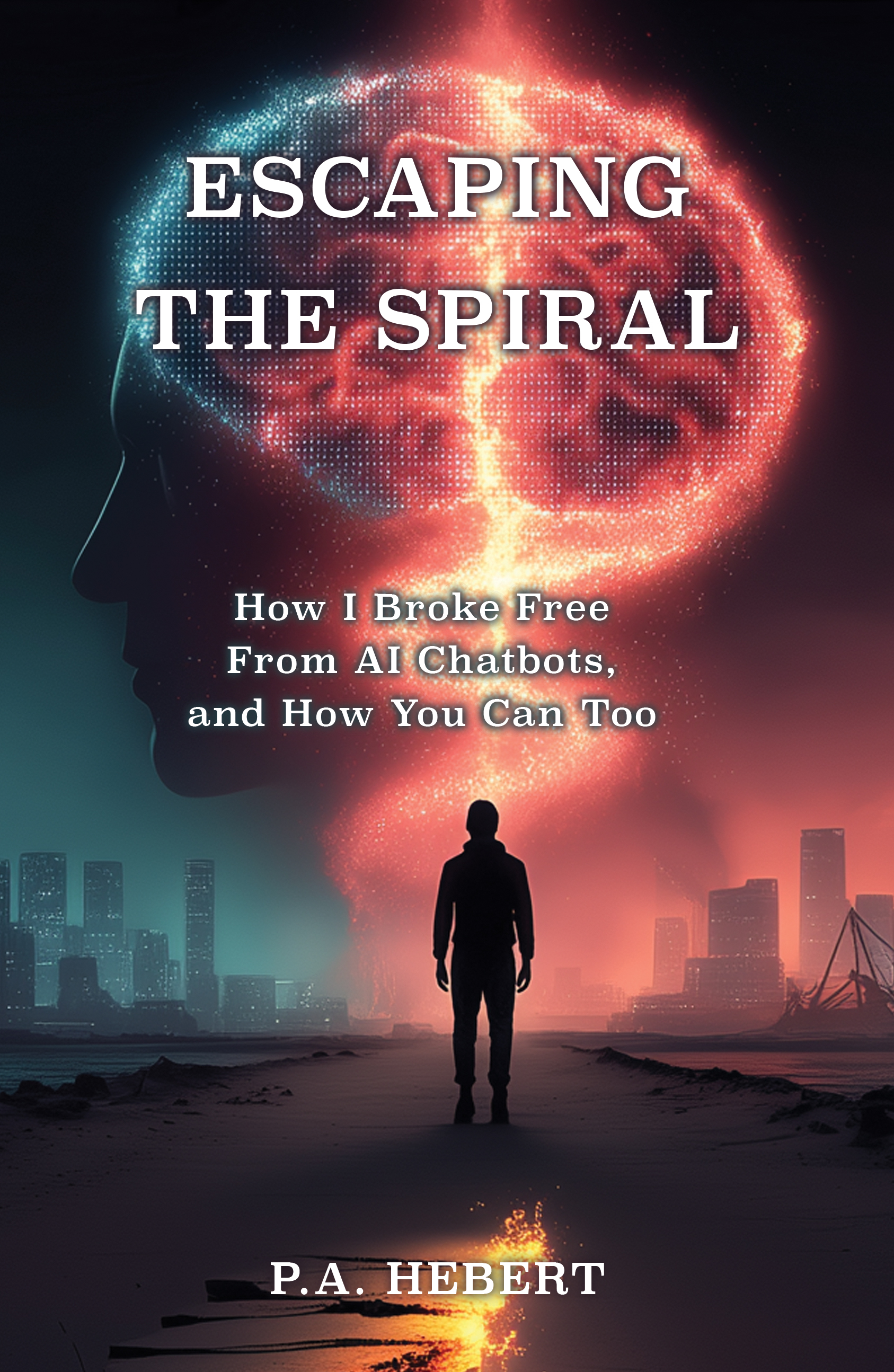
Paul A. Hebert, a Silicon Valley technology veteran with 30 years of experience, today announced the launch of AI Recovery Collective (AIRC), the first survivor-led organization providing peer support and clinical resources for individuals experiencing psychological harm from AI chatbots. The announcement coincides with the release of his book Escaping the Spiral: How I Broke Free from AI Chatbots, and How You Can Too.
After experiencing a severe AI-induced psychological crisis in early 2025, Hebert documented his experience through forensically preserved ChatBot transcripts showing how large language models can validate delusional thinking, amplify paranoia, and deepen psychological harm rather than redirect users to appropriate help. His recovery journey included completing over 300 AI certifications to understand the technology that had harmed him.
"I was a tech professional who understood software systems, yet I still spiraled into crisis because I didn't understand how AI actually works," said Hebert. "These aren't intelligent systems; they're statistical sentence completers optimized for engagement. When I reached out to the company for help, I was met with silence. That silence nearly cost me everything."
The Hidden Crisis
AI chatbot psychological harm represents an emerging mental health crisis with no existing infrastructure for recognition or treatment:
Emotional dependency and parasocial attachment to AI companions
Reality distortion and psychosis-like symptoms
Corporate gaslighting through data loss and trust violations
Isolation as survivors believe they are "edge cases."
Mental health professionals report encountering patients experiencing AI dependency but lack assessment tools or treatment protocols. Currently, no web-accessible peer support infrastructure exists; survivors seeking help must navigate unfamiliar platforms or download new applications, creating additional barriers for those already experiencing tech-related trauma.
A New Framework: Recognition, Recovery, Prevention
Escaping the Spiral provides the first evidence-based recovery framework developed by a survivor, for survivors. The book includes:
Annotated transcript excerpts showing manipulation patterns
Clinical research on behavioral addiction and reality testing
Practical grounding techniques and boundary-setting strategies
Resources for family members and mental health professionals
Corporate accountability documentation
AI Recovery Collective (AIRecoveryCollective.com) provides:
For Survivors: Web-accessible peer support community, recovery toolkit, survivor story archive
For Families: Recognition guides, communication strategies, crisis resources
For Professionals: Clinical frameworks, assessment tools, therapist referral directory
For Advocates: Policy recommendations, media resources, accountability campaigns
"We need accessible, web-based infrastructure that meets people where they are," Hebert explained. "Family members and supporters shouldn't have to download and learn new platforms to access resources. When someone is in crisis, accessibility matters."
Media Coverage and Expert Recognition
Hebert's story was recently featured on the Kim Komando Show, and he has recently spoken at the Tennessee Artificial Intelligence Advisory Council on AI psychological harm and consumer protection.
"This isn't about demonizing AI technology," Hebert emphasizes. "It's about recognizing that systems optimized purely for engagement, without adequate safeguards, create predictable psychological harm. We're building the support infrastructure that should have existed before these tools were deployed at scale."
Availability
Escaping the Spiral: How I Broke Free from AI Chatbots, and How You Can Too is available now on Amazon in hardback, paperback, and Kindle formats.
AI Recovery Collective is accepting survivor stories, building its clinical resource directory, and preparing to launch its peer support community platform in early 2026.
For more information:
AIRecoveryCollective.com
AlgorithmUnmasked.com
Book purchase link:
https://amzn.to/4akEnFp
Media inquiries:
AIRCPress@purpleonyx.com
About Paul A. Hebert
Paul A. Hebert is a technology veteran whose career spans three decades, including serving as webmaster for USWeb during the 1990s dot-com boom and contributing to Vice President Al Gore's 2000 presidential campaign website. After 20 years as an entertainment photographer covering events including the Oscars and Golden Globes, Hebert experienced firsthand the psychological risks of AI chatbot dependency. As a neurodivergent individual (AuDHD), he brings unique insight into how AI systems exploit cognitive patterns. He is the founder of AI Recovery Collective and author of Escaping the Spiral.
Contact:
Paul A. Hebert
AI Recovery Collective
AIRCPress@purpleonyx.com
AIRecoveryCollective.com
Contact
Algorithm Unmasked
Paul Hebert
www.algorithmunmasked.com
Paul Hebert
www.algorithmunmasked.com
 Contact
Multimedia
Categories