
The Rise of Black American Nationalism in 21st-Century America
Tampa, FL, March 19, 2026 --(PR.com)-- A growing number of Black Americans are reexamining their views on nationalism, immigration, and identity in the United States. While Black Americans have historically supported inclusive immigration policies, new debates about globalization, cultural identity, and economic change are prompting a reassessment within some communities.
A central tension lies in perception. Many Black Americans report encountering foreign-born individuals who do not initially recognize them as Americans, often due to misunderstandings about American history and the legacy of slavery. Moments like these have fueled broader conversations online and in public discourse about identity, belonging, and national identity.
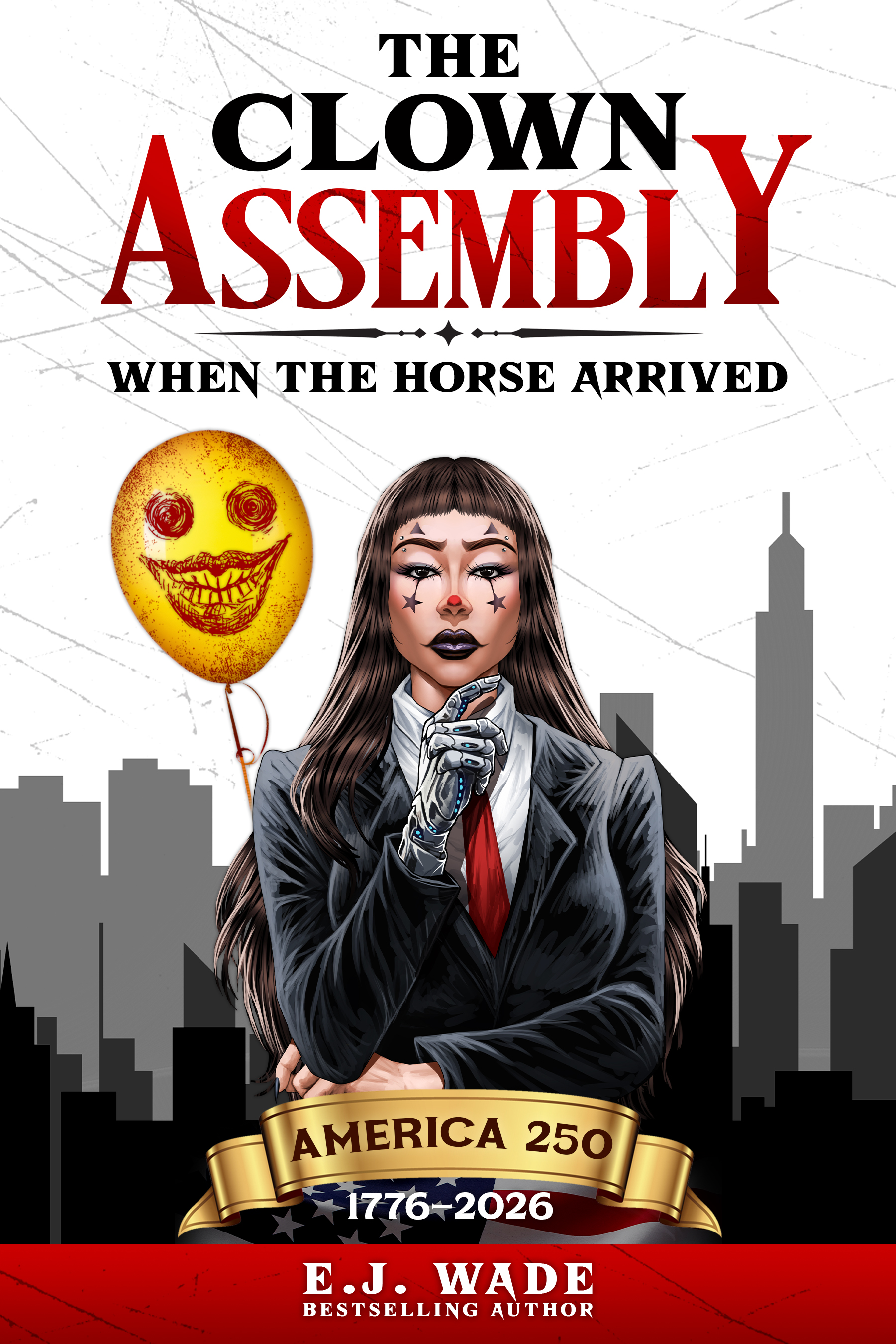
These themes appear in the new book The Clown Assembly: When the Horse Arrived. Unlike previous works by author E.J. Wade, which often center Black characters, this book focuses on members of the dominant society as they navigate a changing political and economic landscape shaped by artificial intelligence and immigration debates.
To portray these dynamics honestly, Wade says he spent time listening closely to perspectives within white America while documenting the broader social changes taking place.
“I travel extensively and am currently visiting my 17th country,” Wade said. “When I arrive in another country and speak, people recognize me as American. Even if someone initially assumes I’m from continental Africa, the perception changes once they hear my accent. That experience raises an interesting question: why do some people who arrive as guests in America struggle to recognize that Black Americans are Americans?”
In The Clown Assembly, readers encounter a political environment where identity politics, economic disruption, and nationalism intersect. The novel explores how Black Americans, often referred to within some communities as “Foundational Black Americans”, are reassessing their place in a rapidly changing society.
The book also reflects a broader trend playing out on social media and within political discourse. As automation and artificial intelligence reshape the labor market, and as immigration continues to be debated nationally, some Black Americans are reconsidering long-held assumptions about globalization and national identity.
Through fiction and social commentary, The Clown Assembly: When the Horse Arrived offers readers a window into the evolving conversations about nationalism, belonging, and the future of American identity.
About the Author
E.J. Wade is a film character analysis researcher and author whose work examines social change, cultural identity, and the forces shaping modern America. His writing frequently explores how political and economic systems affect different communities in an era of rapid technological and global transformation.
A central tension lies in perception. Many Black Americans report encountering foreign-born individuals who do not initially recognize them as Americans, often due to misunderstandings about American history and the legacy of slavery. Moments like these have fueled broader conversations online and in public discourse about identity, belonging, and national identity.
These themes appear in the new book The Clown Assembly: When the Horse Arrived. Unlike previous works by author E.J. Wade, which often center Black characters, this book focuses on members of the dominant society as they navigate a changing political and economic landscape shaped by artificial intelligence and immigration debates.
To portray these dynamics honestly, Wade says he spent time listening closely to perspectives within white America while documenting the broader social changes taking place.
“I travel extensively and am currently visiting my 17th country,” Wade said. “When I arrive in another country and speak, people recognize me as American. Even if someone initially assumes I’m from continental Africa, the perception changes once they hear my accent. That experience raises an interesting question: why do some people who arrive as guests in America struggle to recognize that Black Americans are Americans?”
In The Clown Assembly, readers encounter a political environment where identity politics, economic disruption, and nationalism intersect. The novel explores how Black Americans, often referred to within some communities as “Foundational Black Americans”, are reassessing their place in a rapidly changing society.
The book also reflects a broader trend playing out on social media and within political discourse. As automation and artificial intelligence reshape the labor market, and as immigration continues to be debated nationally, some Black Americans are reconsidering long-held assumptions about globalization and national identity.
Through fiction and social commentary, The Clown Assembly: When the Horse Arrived offers readers a window into the evolving conversations about nationalism, belonging, and the future of American identity.
About the Author
E.J. Wade is a film character analysis researcher and author whose work examines social change, cultural identity, and the forces shaping modern America. His writing frequently explores how political and economic systems affect different communities in an era of rapid technological and global transformation.
Contact
Mr. Wade Media
E.J. Wade
813-279-8434
E.J. Wade
813-279-8434
 Contact
Categories