
Tech Neck on the Rise: Charleston Chiropractor Shares Tips to Protect Your Spine
With Americans spending more than three hours per day on their smartphones alone, Thrive Spinal Care in Charleston, SC is raising awareness about the growing problem of "tech neck." Dr. Terence Hoff says prolonged screen use may contribute to neck pain, headaches, posture issues, and reduced mobility. The practice recently released a guide featuring 10 simple ways to protect the spine, improve posture, and reduce the physical stress modern technology places on the body.
Charleston, SC, June 25, 2026 --(PR.com)-- Increased Screen Time May be Contributing to Neck Pain, Headaches, and Posture Problems for Many Lowcountry Residents
As smartphones, laptops, and tablets become increasingly integrated into daily life, healthcare providers are reporting a growing number of individuals experiencing neck pain, headaches, and posture-related issues linked to prolonged screen use.
According to the Mayo Clinic Health System, Americans spend an average of more than three hours per day on their smartphones alone. Combined with hours spent working on computers and using other digital devices, many experts say the modern lifestyle is creating increased strain on the neck and upper spine.
Dr. Terence Hoff, owner of Thrive Spinal Care in West Ashley, says he is seeing more patients experiencing symptoms commonly associated with what has become known as "tech neck."
"Many people don't realize how much stress they're placing on their neck throughout the day," Hoff said. "Over time, repeatedly looking down at a phone or working at a poorly positioned screen can contribute to muscle tension, headaches, reduced mobility, and postural changes that affect overall comfort and function."
Tech neck is a term used to describe the stress placed on the neck, shoulders, and upper back when the head constantly shifts forward from its natural position. As the head moves farther in front of the shoulders, the muscles and supporting structures of the neck must work harder to support its weight.
Common symptoms associated with tech neck include:
• Neck pain and stiffness
• Shoulder and upper back tension
• Frequent headaches
• Forward head posture
• Tingling or numbness in the arms and hands
• Reduced range of motion
• Difficulty finding a comfortable sleeping position
To help Charleston-area residents better understand the issue, Thrive Spinal Care recently published an educational article outlining 10 practical ways to reduce the effects of tech neck and improve spinal health.
The recommendations include:
• Raising phones and tablets closer to eye level
• Taking regular movement breaks throughout the day
• Improving workstation ergonomics
• Strengthening upper back and postural muscles
• Stretching tight chest and shoulder muscles
• Limiting prolonged periods of uninterrupted screen use
"Technology isn't going away anytime soon,"Dr. Hoff said. "The good news is that small changes in posture, workstation setup, and daily movement habits can often make a meaningful difference. The earlier people recognize the warning signs, the easier it may be to prevent long-term problems."
In addition to neck pain and stiffness, prolonged forward head posture may contribute to tension headaches, reduced mobility, and discomfort that interferes with sleep. Dr. Hoff notes that many people are surprised to learn how closely posture, spinal function, and overall well-being are connected.
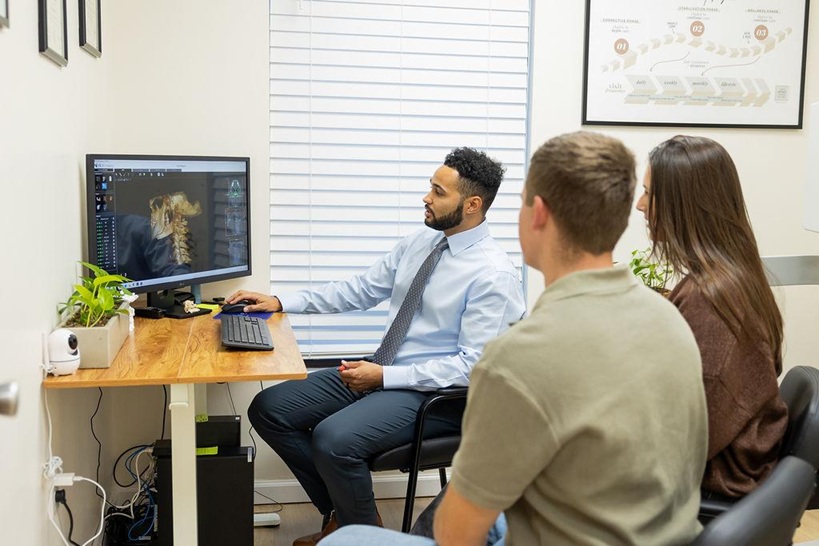
At Thrive Spinal Care, patients experiencing neck pain, headaches, dizziness, posture concerns, or symptoms following prolonged screen use receive a comprehensive evaluation that may include advanced 3D imaging and thermal scanning. Unlike one-size-fits-all approaches, the clinic utilizes a highly specific upper cervical chiropractic approach designed to identify and address each patient's unique needs.
"We believe every patient deserves an individualized approach," Hoff said. "Our goal is to help people improve function, reduce unnecessary stress on the nervous system, and get back to doing the things they enjoy."
Thrive Spinal Care serves patients throughout West Ashley, Charleston, North Charleston, Mount Pleasant, Summerville, Goose Creek, and surrounding Lowcountry communities.
To read the full article, visit:
https://thrivespinalcaresc.com/10-effective-ways-to-combat-tech-neck
About Thrive Spinal Care
Thrive Spinal Care is a chiropractic practice located in West Ashley, South Carolina, specializing in upper cervical chiropractic care. Using advanced 3D imaging, thermal scanning, and a highly specific approach to spinal health, Thrive Spinal Care helps patients improve mobility, posture, nervous system function, and overall well-being. The practice commonly works with individuals experiencing neck pain, headaches, migraines, dizziness, vertigo, posture concerns, and injuries related to auto accidents and whiplash.
As smartphones, laptops, and tablets become increasingly integrated into daily life, healthcare providers are reporting a growing number of individuals experiencing neck pain, headaches, and posture-related issues linked to prolonged screen use.
According to the Mayo Clinic Health System, Americans spend an average of more than three hours per day on their smartphones alone. Combined with hours spent working on computers and using other digital devices, many experts say the modern lifestyle is creating increased strain on the neck and upper spine.
Dr. Terence Hoff, owner of Thrive Spinal Care in West Ashley, says he is seeing more patients experiencing symptoms commonly associated with what has become known as "tech neck."
"Many people don't realize how much stress they're placing on their neck throughout the day," Hoff said. "Over time, repeatedly looking down at a phone or working at a poorly positioned screen can contribute to muscle tension, headaches, reduced mobility, and postural changes that affect overall comfort and function."
Tech neck is a term used to describe the stress placed on the neck, shoulders, and upper back when the head constantly shifts forward from its natural position. As the head moves farther in front of the shoulders, the muscles and supporting structures of the neck must work harder to support its weight.
Common symptoms associated with tech neck include:
• Neck pain and stiffness
• Shoulder and upper back tension
• Frequent headaches
• Forward head posture
• Tingling or numbness in the arms and hands
• Reduced range of motion
• Difficulty finding a comfortable sleeping position
To help Charleston-area residents better understand the issue, Thrive Spinal Care recently published an educational article outlining 10 practical ways to reduce the effects of tech neck and improve spinal health.
The recommendations include:
• Raising phones and tablets closer to eye level
• Taking regular movement breaks throughout the day
• Improving workstation ergonomics
• Strengthening upper back and postural muscles
• Stretching tight chest and shoulder muscles
• Limiting prolonged periods of uninterrupted screen use
"Technology isn't going away anytime soon,"Dr. Hoff said. "The good news is that small changes in posture, workstation setup, and daily movement habits can often make a meaningful difference. The earlier people recognize the warning signs, the easier it may be to prevent long-term problems."
In addition to neck pain and stiffness, prolonged forward head posture may contribute to tension headaches, reduced mobility, and discomfort that interferes with sleep. Dr. Hoff notes that many people are surprised to learn how closely posture, spinal function, and overall well-being are connected.
At Thrive Spinal Care, patients experiencing neck pain, headaches, dizziness, posture concerns, or symptoms following prolonged screen use receive a comprehensive evaluation that may include advanced 3D imaging and thermal scanning. Unlike one-size-fits-all approaches, the clinic utilizes a highly specific upper cervical chiropractic approach designed to identify and address each patient's unique needs.
"We believe every patient deserves an individualized approach," Hoff said. "Our goal is to help people improve function, reduce unnecessary stress on the nervous system, and get back to doing the things they enjoy."
Thrive Spinal Care serves patients throughout West Ashley, Charleston, North Charleston, Mount Pleasant, Summerville, Goose Creek, and surrounding Lowcountry communities.
To read the full article, visit:
https://thrivespinalcaresc.com/10-effective-ways-to-combat-tech-neck
About Thrive Spinal Care
Thrive Spinal Care is a chiropractic practice located in West Ashley, South Carolina, specializing in upper cervical chiropractic care. Using advanced 3D imaging, thermal scanning, and a highly specific approach to spinal health, Thrive Spinal Care helps patients improve mobility, posture, nervous system function, and overall well-being. The practice commonly works with individuals experiencing neck pain, headaches, migraines, dizziness, vertigo, posture concerns, and injuries related to auto accidents and whiplash.
Contact
Thrive Spinal Care
Dr. Terence Hoff
843-990-6032
www.thrivespinalcaresc.com
Dr. Terence Hoff
843-990-6032
www.thrivespinalcaresc.com
 Contact
Categories