
Chicago Residents Oppose Proposed Chicago Fire Soccer Stadium and High-Rise Development at “The 78”
South Loop, Chinatown, Pilsen, and Bronzeville residents warn of accelerated gentrification, displacement, traffic disruption, public safety concerns, and loss of promised public parkland from Related Midwest mega-project.
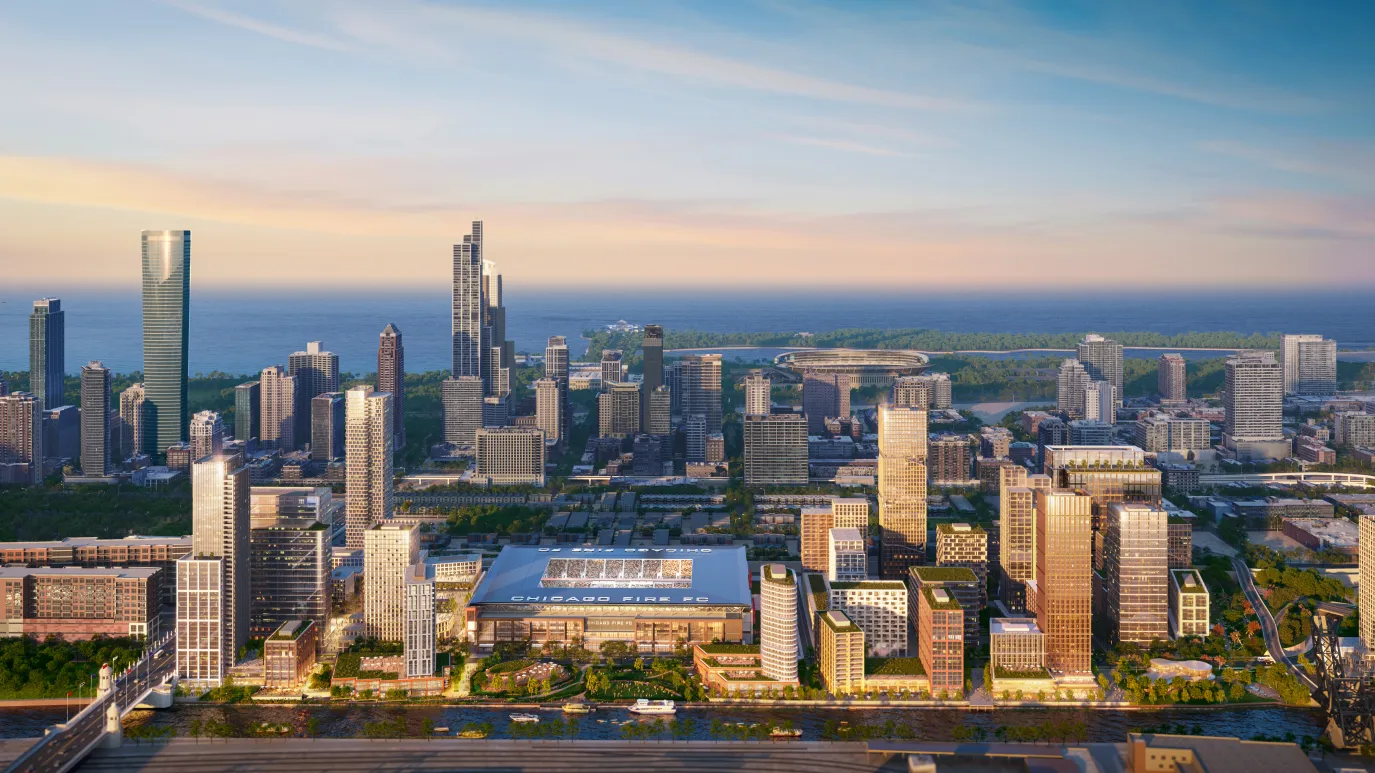
Chicago, IL, September 03, 2025 --(PR.com)-- Residents of Chicago’s South Loop, Chinatown, Pilsen, and Bronzeville are voicing strong opposition to plans for a $650 million Chicago Fire soccer stadium and the high-rise development at “The 78,” a 62-acre riverfront parcel near Roosevelt Road. Critics say the proposal, led by Related Midwest, threatens to accelerate gentrification, betray public trust, and replace promised parks and innovation spaces with a private sports venue.
“The 78 was supposed to deliver green space, riverfront access, and inclusive community development,” said Stephen Wagner, a South Loop resident. “Instead, what we’re being handed is 15 to 20 years of construction noise, traffic, and disruption, all for a private soccer franchise and luxury towers. This is not progress; it’s privatization of public land.”
Roosevelt Road is one of the South Loop’s busiest corridors, linking downtown transit hubs with the Museum Campus, Soldier Field, and the lakefront, but it is plagued by chronic congestion made worse by construction projects and major event closures. The street has become a chokepoint for cars and buses while creating dangerous conditions for cyclists and pedestrians, particularly at intersections like Roosevelt and Wabash. Frustrated residents describe parts of the corridor as a “literal death trap,” citing frequent collisions, double-parking, and unsafe crossings.
Key Concerns Raised by Residents
· Loss of Promised Public Land – Original plans for research facilities, parkland, and cultural amenities are being replaced with a stadium and luxury towers.
· Displacement of Community Needs – Surrounding neighborhoods have long advocated for affordable housing, cultural centers, and public parks, not single-use developments.
· Environmental & Traffic Impacts – Stadiums bring congestion, noise, and carbon emissions, while threatening fragile riverfront ecosystems.
· Lack of Public Input – Residents report limited community engagement and vague, dismissive responses from officials.
· Accelerated Gentrification – Property values and rents are already rising in Chinatown and nearby areas, raising fears of displacement.
At a July 30 town hall at the Pui Tak Center, Chinatown residents voiced deep concern about affordability, small business displacement, and environmental impacts to nearby Ping Tom Memorial Park. “Property values will shoot up very fast and sudden, before you can make more money to afford your new rent and your new property tax,” one attendee warned.
South Loop residents and community advocates warn that the proposed stadium at “The 78” risks prioritizing wealthy fans and corporate interests over the broader public. With the Chicago Fire projecting heavy reliance on premium subscriptions and high-priced skyboxes, far fewer affordable seats would be available to everyday Chicagoans. Neighbors fear the project could become an exclusive venue while leaving the community to shoulder the burdens of traffic, noise, rising housing costs, and infrastructure strain, turning “The 78” into a luxury destination rather than a true community asset.
A Better Alternative: A Public Park
Community leaders argue a large riverfront park would provide year-round public access, environmental benefits, equitable development, and climate resilience. Unlike a stadium, which sits empty most of the year, a park would serve residents, families, and visitors every day.
“Chicago has one last chance to create something innovative, inclusive, and enduring on this site,” said Stephen Wagner. “A park would be a legacy Chicagoans deserve, not another luxury complex fenced off for profit.”
The Branding of “The 78”
Critics also object to the branding of the development as “The 78.” Chicago is historically known to have 77 community areas. By labeling this project as “The 78,” Related Midwest suggests inevitability and masks private interests as civic progress. “It’s a Trojan horse of a name, inviting and sleek, but concealing a reality of displacement and disruption,” said Stephen Wagner.
Call to Action
Residents are urging Mayor Brandon Johnson, the Chicago Plan Commission, and City Council members to reject the stadium and high-rise proposal in favor of green space and community-centered development. Community members can voice opposition by contacting their aldermen and city officials ((full contact list available at www.chicago.gov).
Visit "Stop the 78" to learn more about the project's impact of the South Loop and what you can do about it.
“This isn’t just about a soccer stadium,” said Stephen Wagner. “It’s about the kind of city we want to be. Chicago doesn’t need another fortress for private profit, it needs parks, culture, and equity.”
About Stephen Wagner
As a member of the South Loop Neighbors organization, Stephen Wagner advocates for responsible development that prioritizes the well-being and quality of life of Chicago’s South Loop residents. Having lived through years of relentless construction in San Diego’s Gaslamp Quarter after the construction of a baseball stadium, he strongly opposes “The 78” project to prevent the South Loop from becoming another disruptive construction zone. He believes the South Loop community deserves a livable, vibrant neighborhood.
“The 78 was supposed to deliver green space, riverfront access, and inclusive community development,” said Stephen Wagner, a South Loop resident. “Instead, what we’re being handed is 15 to 20 years of construction noise, traffic, and disruption, all for a private soccer franchise and luxury towers. This is not progress; it’s privatization of public land.”
Roosevelt Road is one of the South Loop’s busiest corridors, linking downtown transit hubs with the Museum Campus, Soldier Field, and the lakefront, but it is plagued by chronic congestion made worse by construction projects and major event closures. The street has become a chokepoint for cars and buses while creating dangerous conditions for cyclists and pedestrians, particularly at intersections like Roosevelt and Wabash. Frustrated residents describe parts of the corridor as a “literal death trap,” citing frequent collisions, double-parking, and unsafe crossings.
Key Concerns Raised by Residents
· Loss of Promised Public Land – Original plans for research facilities, parkland, and cultural amenities are being replaced with a stadium and luxury towers.
· Displacement of Community Needs – Surrounding neighborhoods have long advocated for affordable housing, cultural centers, and public parks, not single-use developments.
· Environmental & Traffic Impacts – Stadiums bring congestion, noise, and carbon emissions, while threatening fragile riverfront ecosystems.
· Lack of Public Input – Residents report limited community engagement and vague, dismissive responses from officials.
· Accelerated Gentrification – Property values and rents are already rising in Chinatown and nearby areas, raising fears of displacement.
At a July 30 town hall at the Pui Tak Center, Chinatown residents voiced deep concern about affordability, small business displacement, and environmental impacts to nearby Ping Tom Memorial Park. “Property values will shoot up very fast and sudden, before you can make more money to afford your new rent and your new property tax,” one attendee warned.
South Loop residents and community advocates warn that the proposed stadium at “The 78” risks prioritizing wealthy fans and corporate interests over the broader public. With the Chicago Fire projecting heavy reliance on premium subscriptions and high-priced skyboxes, far fewer affordable seats would be available to everyday Chicagoans. Neighbors fear the project could become an exclusive venue while leaving the community to shoulder the burdens of traffic, noise, rising housing costs, and infrastructure strain, turning “The 78” into a luxury destination rather than a true community asset.
A Better Alternative: A Public Park
Community leaders argue a large riverfront park would provide year-round public access, environmental benefits, equitable development, and climate resilience. Unlike a stadium, which sits empty most of the year, a park would serve residents, families, and visitors every day.
“Chicago has one last chance to create something innovative, inclusive, and enduring on this site,” said Stephen Wagner. “A park would be a legacy Chicagoans deserve, not another luxury complex fenced off for profit.”
The Branding of “The 78”
Critics also object to the branding of the development as “The 78.” Chicago is historically known to have 77 community areas. By labeling this project as “The 78,” Related Midwest suggests inevitability and masks private interests as civic progress. “It’s a Trojan horse of a name, inviting and sleek, but concealing a reality of displacement and disruption,” said Stephen Wagner.
Call to Action
Residents are urging Mayor Brandon Johnson, the Chicago Plan Commission, and City Council members to reject the stadium and high-rise proposal in favor of green space and community-centered development. Community members can voice opposition by contacting their aldermen and city officials ((full contact list available at www.chicago.gov).
Visit "Stop the 78" to learn more about the project's impact of the South Loop and what you can do about it.
“This isn’t just about a soccer stadium,” said Stephen Wagner. “It’s about the kind of city we want to be. Chicago doesn’t need another fortress for private profit, it needs parks, culture, and equity.”
About Stephen Wagner
As a member of the South Loop Neighbors organization, Stephen Wagner advocates for responsible development that prioritizes the well-being and quality of life of Chicago’s South Loop residents. Having lived through years of relentless construction in San Diego’s Gaslamp Quarter after the construction of a baseball stadium, he strongly opposes “The 78” project to prevent the South Loop from becoming another disruptive construction zone. He believes the South Loop community deserves a livable, vibrant neighborhood.
Contact
Chicago HQ
Stephen C Wagner
415-518-6485
www.ChicagoHQ.us/stop-the-78.html#/
Stephen C Wagner
415-518-6485
www.ChicagoHQ.us/stop-the-78.html#/
 Contact
Categories